Peptides for Sensitive Skin: The Gentle Art of Anti-Aging
THE SKIN LONGEVITY EDIT
Written by the I'M FABULOUS COSMETICS® Master Esthetician team, with more than 20 years of professional skincare experience. Updated October 2026.

Sensitive skin deserves sophisticated anti-aging care without unnecessary irritation. Peptides offer a thoughtful approach to maintaining smoother, firmer-looking skin while respecting the delicate skin barrier.
If your skin reacts easily to strong retinoids, exfoliating acids, fragrance, or complicated skincare routines, the solution is not necessarily to use more products. It is to choose the right ingredients, introduce them gradually, and prioritize skin comfort.
The Short Answer: Are Peptides Good for Sensitive Skin?
Yes, for many people. Peptides are short chains of amino acids that support smoother, firmer-looking skin without exfoliating the surface, which makes them one of the gentler anti-aging options for reactive skin. The full formula still matters, so introduce one product at a time and patch test first.
Key takeaways:
- GHK-Cu copper peptide supports the look of firmness and texture; it suits the evening routine.
- SNAP-8 (Acetyl Octapeptide-3) targets the appearance of expression lines; it is not a replacement for injectables.
- Pair peptides with hyaluronic acid and a barrier-supporting moisturizer for comfort.
- Daily broad-spectrum SPF 30+ remains essential; peptides do not replace sunscreen.
Why Peptides Are Worth Considering for Sensitive Skin
Peptides are short chains of amino acids used in cosmetic formulations to support the appearance of healthier-looking skin. Different peptides serve different purposes, and their effects depend on the specific ingredient, concentration, and overall formulation.

Unlike exfoliating acids, many peptide serums do not work by removing surface skin cells. This makes them appealing to people seeking a gentler approach to the visible signs of aging.
However, peptides are not automatically suitable for every sensitive complexion. The complete formula, including preservatives, botanical extracts, and other ingredients, plays an important role in tolerability.
Understanding the Best-Known Anti-Aging Peptides
| Peptide | Also known as | Used for the appearance of | Sensitive-skin tip |
|---|---|---|---|
| GHK-Cu | Copper peptide, copper tripeptide-1 | Firmness, texture, overall skin quality | Introduce gradually, often in the evening |
| SNAP-8 | Acetyl Octapeptide-3 | Expression-related fine lines | Not a substitute for injectables; evidence is limited |
| Palmitoyl peptides | Palmitoyl tripeptide-1, palmitoyl tetrapeptide-7 | Fine lines, uneven texture, loss of firmness | Often found in comfortable everyday moisturizers |
GHK-Cu Copper Peptide
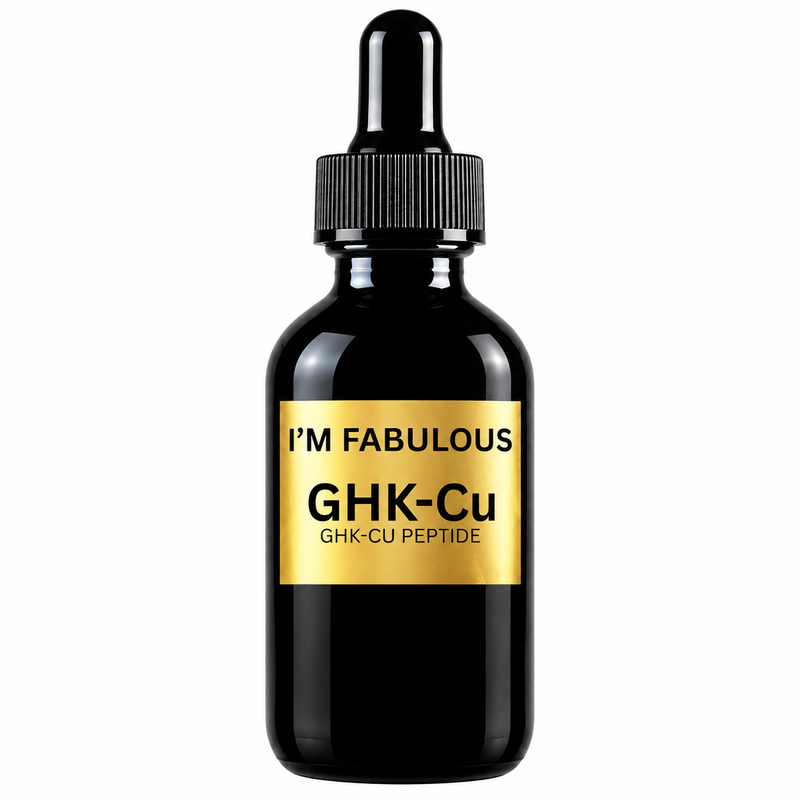

GHK-Cu is a copper-binding peptide studied for its biological activity and potential skin-related benefits. In cosmetic skincare, copper peptide formulas are often used to support the appearance of skin firmness, texture, and overall skin quality.
For sensitive skin, introducing a copper peptide serum gradually is more sensible than immediately choosing the strongest concentration available.
SNAP-8 Peptide
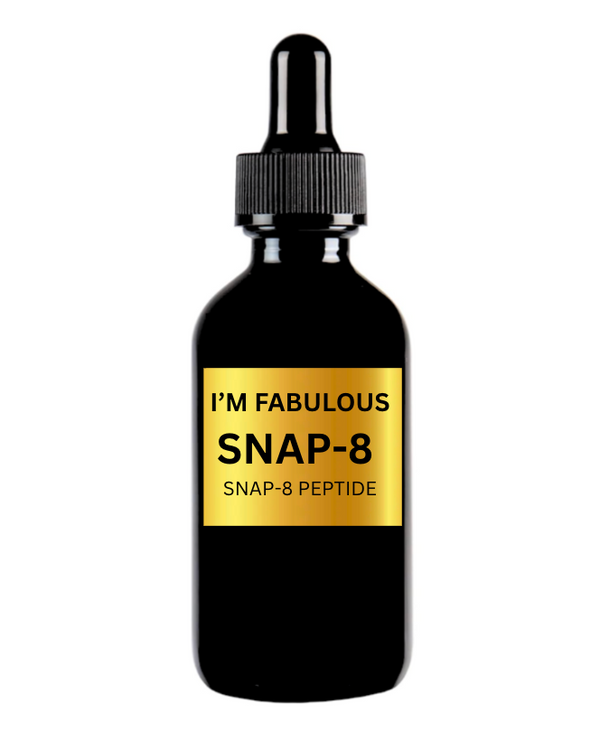
SNAP-8, also known as Acetyl Octapeptide-3, is a cosmetic peptide used in formulas designed to improve the appearance of expression-related fine lines.
Although it is sometimes described as a topical alternative to injectable wrinkle treatments, it does not produce the same effects as professional injections. Independent clinical evidence remains limited.
Palmitoyl Peptides
Palmitoyl peptides, including palmitoyl tripeptide-1 and palmitoyl tetrapeptide-7, are commonly incorporated into skincare formulas targeting the appearance of fine lines, uneven texture, and loss of firmness.
These ingredients are frequently combined with moisturizers and hydrating ingredients to create comfortable, everyday skincare products.
The Gentle Morning Skincare Ritual
A well-designed morning routine should focus on hydration, a carefully selected peptide treatment, and protection from environmental exposure.
THE MORNING EDIT
Your AM Ritual
Hydrate. Smooth. Protect.
Step 1: Gentle Cleansing
Begin with a mild, non-stripping cleanser. If your skin is particularly dry or reactive, a simple rinse with lukewarm water may be sufficient in the morning.
Step 2: Hydrate With Hyaluronic Acid
Apply a lightweight hydrating serum to support moisture retention and improve the appearance of dehydration-related fine lines.

RECOMMENDED FOR STEP 2
Hyaluronic Acid Hydrating Serum
A lightweight layer of hydration that preps skin for your peptide serum.
SHOP THE SERUMStep 3: Apply a Peptide Serum
Introduce a well-tolerated peptide serum to support smoother-looking skin. Start slowly if your skin is highly reactive, and follow the product's directions.

RECOMMENDED FOR STEP 3
Our best-selling peptide serum for smoother-looking expression lines.
SHOP THE SERUMStep 4: Moisturize
Apply a comfortable moisturizer to help maintain hydration and support the skin barrier.

RECOMMENDED FOR STEP 4
A hydrating peptide cream to seal in moisture before sunscreen.
SHOP THE MOISTURIZERStep 5: Apply Sunscreen
Finish with broad-spectrum SPF 30 or higher. Daily sunscreen is one of the most important steps in preventing UV-related premature skin aging.
The Gentle Evening Skincare Ritual
Your evening routine should focus on removing makeup and sunscreen, replenishing moisture, and maintaining a comfortable skin barrier overnight.
THE EVENING EDIT
Your PM Ritual
Replenish. Nourish. Restore Comfort.
Step 1: Cleanse Gently
Remove makeup, sunscreen, and daily impurities using a mild cleanser and lukewarm water. Avoid harsh scrubbing and aggressive exfoliation.
Step 2: Apply Your Copper Peptide Serum
If your skin tolerates copper peptides, consider incorporating a GHK-Cu serum into your evening routine. Follow the manufacturer's instructions and avoid introducing multiple unfamiliar active ingredients at once.

RECOMMENDED FOR STEP 2
GHK-Cu Copper Peptide Serum 10%
Copper peptides for firmer, smoother-looking skin while you sleep.
SHOP THE SERUMStep 3: Replenish Hydration
If your skin needs additional moisture, apply a hydrating serum that you already tolerate. Follow individual product instructions for layering.
Step 4: Finish With a Nourishing Moisturizer
Complete your evening ritual with a moisturizer that helps maintain skin hydration and comfort throughout the night.


How to Introduce Peptides Without Irritating Sensitive Skin
Sensitive skin generally benefits from a gradual approach. Before applying a new serum to your entire face, patch test it according to the product directions and monitor for signs of irritation.
Introduce only one new product at a time. Begin with a conservative frequency and increase use only when your skin remains comfortable.
If your skin develops persistent redness, itching, burning, or swelling, discontinue the product. Seek professional guidance for severe or persistent reactions.
Can You Combine Peptides With Hyaluronic Acid?
Yes. Hyaluronic acid is a humectant that helps attract and retain moisture in skincare formulations. It can complement peptide products by improving hydration and the appearance of dehydration-related fine lines.
The combination is commonly found in cosmetic skincare, although tolerability still depends on the full formulation.
Can Sensitive Skin Use Peptides With Retinol?
Many peptide products can be included in routines containing retinoids, but the compatibility of specific products depends on their formulations.
Retinoids may cause dryness, peeling, and irritation, especially when first introduced. If your skin is reactive, consider using new active products on separate days until you understand how your skin responds.
Are Peptides Suitable for Rosacea-Prone Skin?
Some people with rosacea-prone skin may tolerate carefully formulated peptide products, while others may react to additional ingredients in the formula.
Avoid experimenting with new active products during a significant flare. Peptide serums are cosmetic skincare products and should not be considered treatments for rosacea, eczema, or other inflammatory skin conditions.
How Long Does It Take to See Results From Peptides?
Improvements related to hydration may become noticeable relatively quickly. Changes in the appearance of fine lines, firmness, and skin texture typically require consistent use over several weeks or longer.
Results vary according to the peptide, product formulation, frequency of use, and individual skin characteristics.
Why the Complete Skincare Formula Matters
A product described as natural, organic, clean, or peptide-powered is not automatically suitable for sensitive skin.
Pay attention to the complete ingredient list, your known sensitivities, product instructions, and how your skin responds over time.
A minimalist routine using a few carefully chosen products may be more comfortable than layering numerous concentrated active ingredients.
Frequently Asked Questions About Peptides for Sensitive Skin
Are peptides good for sensitive skin?
Peptides can be a useful addition to a sensitive-skin routine, particularly when incorporated into well-tolerated, hydrating formulations. Suitability depends on the complete product and individual skin response.
Can I use peptide serum every day?
Many peptide serums are intended for daily use. Follow the manufacturer's directions and introduce new formulas gradually if your skin is reactive.
Are copper peptides suitable for mature sensitive skin?
Copper peptide formulations may appeal to people concerned about the appearance of aging skin. However, sensitive skin should be introduced gradually to any new product, regardless of age.
Can I use GHK-Cu and SNAP-8 in the same routine?
Both peptides can potentially be incorporated into a skincare regimen, depending on the specific formulas and product instructions. Introduce each separately before considering combined use. Once you know your skin tolerates both, the GHK-Cu + SNAP-8 Peptide Duo pairs them for morning and evening use.
Should I apply peptide serum before moisturizer?
Most lightweight serums are applied before moisturizer, although individual product instructions should take priority.
Do peptides replace sunscreen?
No. Peptides do not replace daily UV protection. Broad-spectrum sunscreen remains essential for helping prevent sun-related premature skin aging.
Are peptides better than retinol for sensitive skin?
Peptides and retinoids work differently and have different levels of clinical evidence. Some individuals who cannot tolerate retinoids may prefer a gentle peptide-based routine, but peptides are not direct substitutes for retinoids.
DISCOVER I'M FABULOUS COSMETICS
The Art of Gentle, Peptide-Powered Skincare

Discover luxury peptide serums, hydrating formulas, and moisturizers designed to complement a thoughtful skincare ritual. Made fresh in small batches in the USA, vegan and cruelty-free.
EXPLORE THE PEPTIDE COLLECTIONThe Gentle Art of Anti-Aging
Sensitive skin does not need an aggressive approach to aging gracefully. A carefully chosen peptide serum, consistent hydration, supportive moisturizer, and daily sunscreen can form the foundation of a thoughtful anti-aging routine.
The goal is not to use the greatest number of skincare products. It is to create a routine that your skin can comfortably maintain.
This article is provided for educational purposes and does not replace individualized medical advice. Cosmetic skincare products are not intended to diagnose, treat, cure, or prevent disease.