Men's Skincare Regimen to Prevent Wrinkles After 40: The Simple Routine That Actually Works
The Men's Prevention Edit
Men's skin holds out longer than women's, then ages faster once it turns. Your forties are the window where a short, disciplined routine does the most good, and it takes about five minutes a day.
Quick answer: To prevent wrinkles after 40, a man needs six habits: a gentle cleanser, vitamin C in the morning, broad-spectrum SPF 30 or higher every day, a collagen-supporting peptide such as GHK-Cu, a retinol or bakuchiol serum two to four nights a week, and a moisturizer. Add a soothing serum after shaving and an eye serum for the delicate skin around your eyes. Sunscreen and a retinoid have the strongest evidence, and consistency over months and years matters far more than the number of products.
~25%
Thicker skin in men, with more collagen
~1%/yr
Collagen decline from the mid-20s, speeding up near 40
15%
Of men use facial sunscreen most or all of the time
5 min
All the daily time this routine needs

"Men do not need a twelve-step routine. They need four or five products used every day for ten years."
Why Men's Wrinkles Arrive Later, but Hit Harder
Men have a genuine head start. Thanks to higher testosterone, male skin is roughly 25 percent thicker than female skin and holds more collagen, the structural protein that keeps skin firm. That thickness is why a man at 38 often has fewer visible lines than a woman the same age. But the advantage is temporary. Collagen declines from the mid-twenties at roughly one percent a year, and the loss speeds up around the age of forty. When the structure finally gives way on thicker skin, the lines that form tend to be deeper and more defined, especially across the forehead, between the brows and around the eyes.
Male skin also has its own risk factors. Men tend to work and play outdoors more, they use sunscreen far less often, they shave a large area of the face daily, and they are less likely to follow a skincare routine at all. Each of these quietly adds to wear on the skin. Studies of sunscreen habits show that only about 15 percent of men apply sunscreen to the face most or all of the time, compared with roughly 44 percent of women, and the majority of men say they do not use it daily. Understanding these differences is the key to building a regimen that actually fits how men live.
Your Forties Are the Turning Point
By your early forties, several processes begin to converge. Collagen and elastin fibers weaken, so skin loses its snap and takes longer to bounce back from expressions. Cell turnover slows, leaving the surface duller and rougher. Oil production tends to decline, so skin that was once shiny can start to feel tight and dry. Years of accumulated sun exposure begin to show as fine lines, uneven tone, brown spots and, for many men, a deepening furrow between the eyebrows. The fat pads and underlying structure start to shift, which gives the face a slightly more tired look.
The reason this is the ideal moment to start is simple: prevention is far easier and cheaper than correction. Fine lines that are just beginning to form respond well to daily protection and collagen support. Lines that have been etched for twenty years require far more effort and often professional treatments. A man who begins a simple routine at 41 and stays with it will, at 51, look noticeably better than one who begins at 51 and tries to catch up.
What You Can Prevent, and What You Can Only Soften
It helps to be clear about the limits. Skincare can slow the breakdown of collagen, protect against new sun damage, keep the barrier strong and soften the appearance of early lines. It cannot freeze time, rebuild lost facial volume or erase deep creases overnight. The goal of a prevention regimen is to keep the skin you have in the best possible condition for as long as possible, so that the changes of your fifties and sixties arrive later and more gently.
The good news is that the biggest drivers of wrinkles are within your control. Ultraviolet exposure is responsible for the great majority of visible skin aging, which means a daily habit of sun protection prevents more wrinkles than any serum can fix later. Beyond sunscreen, the best-supported interventions are retinoids, antioxidants such as vitamin C, and peptides that support collagen, all of which are covered below.
The Minimum Effective Routine
Most men will not follow a ten-step routine, and they do not need to. If you do nothing else, do these four things every day. In the morning, apply a vitamin C serum and then a broad-spectrum sunscreen. At night, cleanse and apply a peptide serum with a moisturizer. That alone covers protection, antioxidant defense, collagen support and hydration. Everything else in this guide is an upgrade you can add as the habit settles in. Treat the minimum routine as non-negotiable, and treat the rest as optional improvements.
Step One: Sunscreen Is the Foundation
If wrinkle prevention had one hero, it would be sunscreen. Ultraviolet light breaks down collagen and elastin, triggers the pigment that causes sun spots and damages DNA, and it does all of this on cloudy days and through car windows. The American Academy of Dermatology recommends a broad-spectrum sunscreen with an SPF of 30 or higher every day, and men benefit from a formula that feels light and absorbs without a greasy or white finish, because that is the main reason men skip it.
Apply it as the last step of your morning routine, to the face, ears, neck and the back of your hands, and do not forget the top of the head if your hair is thinning. Use roughly a quarter teaspoon for the face and reapply every two hours if you are outside. Keep a small tube in your car and your gym bag so the habit travels with you. This one step prevents more wrinkles, brown spots and skin cancers than anything else on this page.
Step Two: Cleanse Without Stripping
Many men wash their faces with whatever bar of soap is in the shower, and harsh soap and hot water strip the oils that keep skin supple. After 40, when natural oil production is already falling, that matters. Choose a gentle, non-foaming cleanser and use lukewarm water. Our Luxe Cleanser with Mushrooms is a good everyday option, and a cleansing balm works well on days you have worn sunscreen all day or been sweating at the gym.
Cleanse in the evening to remove sunscreen, sweat and pollution, and rinse rather than wipe in the morning if your skin feels dry. If your skin feels tight or squeaky after washing, switch to something gentler, because that tightness is a sign the barrier has been stripped, and a stressed barrier makes lines look deeper.
Step Three: Vitamin C for Daytime Defense
Vitamin C is an antioxidant that neutralizes the free radicals created by sun, pollution and stress, and it plays a direct role in collagen production. Used each morning under sunscreen, it adds a layer of protection that makes your SPF work harder and helps fade the early sun spots that many men notice in their forties. It also brightens a dull complexion, which can make a tired face look more awake.
The Vitamin C Hydrating Serum uses a stable, oil-soluble form of vitamin C with ferulic acid, vitamin E and plant-based hyaluronic acid, so it hydrates as it protects. Apply one to two pumps to a clean face and neck, let it absorb for a minute, and follow with moisturizer and sunscreen. Because it is gentle, most men can use it daily without the sting associated with older vitamin C formulas.
Step Four: Copper Peptides to Support Collagen
Peptides are small chains of amino acids that act as signals in the skin. GHK-Cu, the copper peptide, is one of the most studied: it occurs naturally in the body, declines with age, and supports collagen, elastin and skin repair. It is also unusually gentle, which makes it a smart choice for men who find retinol irritating, and it can be applied to freshly shaved skin to help calm and repair it.
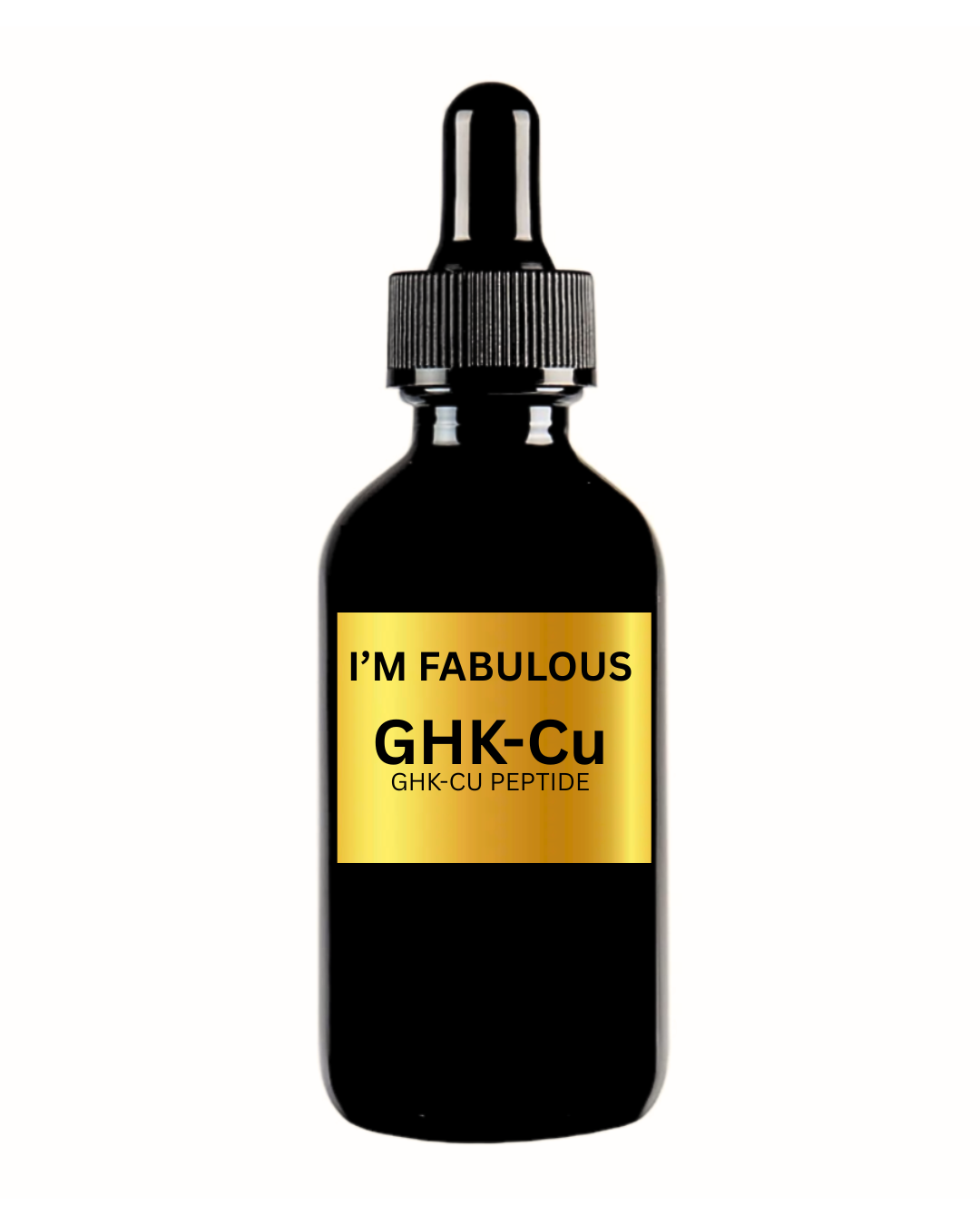
The GHK-Cu Copper Peptide Serum is a lightweight organic formula that fits easily into a short routine. Use it morning or night, or both, on the face and neck. Results build gradually, with most people seeing smoother, firmer-looking skin from around 10 to 12 weeks. If you want to go deeper on the science, read our guide to copper peptides for men, which also covers hair and beard benefits.
Step Five: Soften Expression Lines Before They Set
The lines most men notice first are expression lines: horizontal creases across the forehead, the vertical lines between the eyebrows, and crow's feet. They form because the same muscles contract thousands of times a day. Expression-line peptides such as SNAP-8 help soften the look of these lines by gently reducing how forcefully those muscles contract. They do not freeze the face or replace injectables, but they are a practical, no-downtime way to help soften lines early.
The SNAP-8 Peptide Serum works well applied to the forehead, between the brows and around the eyes at night. Many men alternate it with copper peptide, using GHK-Cu in the morning and SNAP-8 in the evening. Our overview of peptide skincare for men explains how to build a peptide routine step by step.
Step Six: Retinol or Bakuchiol at Night
Retinoids are the other best-researched wrinkle-prevention ingredient, alongside sunscreen. They speed cell turnover, boost collagen and smooth fine lines and rough texture. Men often have thicker, oilier skin that tolerates retinoids well, but shaving can leave the skin more reactive, so a measured introduction is wise.
Begin with a gentler option. The Retinol Bakuchiol Serum pairs retinol with bakuchiol, a plant-based alternative that delivers comparable benefits with less irritation. Use it two nights a week on dry skin, then increase to every other night as your skin adapts. Never use it right before shaving, and always follow with moisturizer. Daily sunscreen is essential, since retinoids make skin more sun-sensitive. For a closer comparison, see our guide to peptides versus retinol.
Step Seven: Moisturize and Support the Barrier
A strong barrier keeps water in and irritants out, and after 40, when oil production is falling, a good moisturizer becomes more important. Apply it to slightly damp skin to lock in hydration. If your skin is oily or acne-prone, a niacinamide serum is a useful addition: it helps regulate oil, calm redness and strengthen the barrier, and it also evens skin tone. The 20% Niacinamide + B3 Rescue Serum is a high-potency gel that pairs well with vitamin C and peptides.
For nights when your skin feels dry or tight, finish with the Peptide Collagen Repair Cream, a nourishing cream that supports the barrier and continues working while you sleep. A hydrating serum such as our Hyaluronic Acid Hydrating Serum underneath it adds extra moisture for very dry winters or air-conditioned offices.

Do Not Skip the Eyes
The skin around your eyes is the thinnest on your face, with very few oil glands, which is why crow's feet, fine lines and puffiness often appear first. Sleep loss, screens and squinting in the sun make it worse. A dedicated eye product, applied with your ring finger in a light patting motion, helps keep the area hydrated and supported. Our Super Peptide Eye Serum and Power Anti-Aging Eye Cream work as a pair, with the serum underneath and the cream on top. Wearing sunglasses outdoors prevents squinting lines and protects this delicate area from the sun.
Shaving and Skin Aging: Protect the Barrier Daily
Daily shaving is a form of mild exfoliation and trauma to the skin, and with age the skin becomes thinner and more sensitive to it. Dull blades, dry shaving, pressing hard and skipping aftercare lead to redness, razor burn, ingrown hairs and chronic low-grade inflammation, all of which dry out the skin and make it look older. Inflammation also accelerates collagen breakdown, so how you shave genuinely matters for how your skin ages.
A few habits make a large difference. Shave after a warm shower when hair is soft, use a clean, sharp blade and replace it frequently, apply a gentle shaving cream or gel, shave in the direction of hair growth, and rinse with cool water. Afterward, press two or three drops of GHK-Cu serum onto the freshly shaved skin to help soothe and repair it, then follow with moisturizer and, in the morning, sunscreen. If you have frequent razor bumps, our guide on the anti-aging peptide routine shows how to build a calming routine around shaving.
How Each Step Fits Together
The table below summarizes what each step does and which product to reach for.
| Step | What it does | When | I'M FABULOUS option |
|---|---|---|---|
| Sunscreen | Blocks the UV damage behind most wrinkles and sun spots | Every morning | Daily SPF 30+ (broad-spectrum) |
| Cleanser | Removes sweat and sunscreen without stripping oils | Evening (and morning if dry) | Luxe Cleanser with Mushrooms |
| Vitamin C | Antioxidant defense, collagen support, brightening | Morning | Vitamin C Hydrating Serum |
| Copper peptide | Supports collagen, elastin and post-shave repair | Morning or night | GHK-Cu Copper Peptide Serum |
| SNAP-8 | Softens the look of forehead and eye lines | Night | SNAP-8 Peptide Serum |
| Retinol / bakuchiol | Speeds turnover and builds collagen | 2-4 nights a week | Retinol Bakuchiol Serum |
| Niacinamide | Regulates oil, calms redness, strengthens barrier | Morning or night | 20% Niacinamide Serum |
| Eye serum and cream | Hydrates and supports the thinnest skin on the face | Morning and night | Super Peptide Eye Serum |
The Five-Minute Daily Regimen
Here is the whole routine in one place, built so it takes about five minutes morning and night.
Morning (2 minutes)
Rinse with lukewarm water (cleanse if skin feels oily). Apply the Vitamin C Serum, then the Eye Serum. Finish with moisturizer and broad-spectrum SPF 30 or higher on the face, ears and neck.
Evening (3 minutes)
Cleanse thoroughly. Apply the GHK-Cu Copper Peptide Serum. Two to four nights a week, add the Retinol Bakuchiol Serum on dry skin. On other nights, use SNAP-8 on the forehead and eye area. Finish with the Peptide Collagen Repair Cream and the Eye Cream.
After shaving
Press two to three drops of GHK-Cu onto freshly shaved skin, wait a few minutes, then moisturize. Skip retinol on the same night as a close shave.
If you want a ready-made starting point, our GHK-Cu + SNAP-8 Peptide Duo bundles the two core peptide serums, which cover collagen support and expression lines in one purchase.
Your 40s, Year by Year
Ages 40 to 42: Build the habit. Start with sunscreen, vitamin C and a peptide serum. Add retinol or bakuchiol after the first month, once your skin is comfortable. The goal is automatic habits: you should be able to do the whole routine half-asleep.
Ages 43 to 45: Add precision. Introduce an eye serum, a dedicated expression-line peptide and niacinamide if you have oiliness or redness. Begin taking a photo every few months in consistent lighting so you can see the trend.
Ages 46 to 49: Reinforce and review. Collagen loss is steeper now, so consistency matters even more. Consider a richer night cream as skin dries out, check your skin annually with a dermatologist, and talk with a professional about in-office options if you want to go further.
What Results to Expect
Prevention is slower and quieter than correction, so set your expectations accordingly. In the first two to four weeks you should see better hydration, a smoother surface and less post-shave irritation. Between weeks ten and twelve, fine lines begin to soften and skin looks firmer and clearer. The larger payoff is invisible at first: the wrinkles that do not form, the sun spots that do not appear and the elasticity you keep. Judge the routine over years, not weeks, and use photos rather than the mirror to track the difference.
Adjusting for Oily, Dry or Sensitive Skin
Oily skin. Many men in their forties still produce plenty of oil, which can mask early dryness while still leaving pores and shine to manage. Use lightweight gel textures, add niacinamide to help regulate oil, and do not skip moisturizer, because dehydrated oily skin often produces even more oil. A lightweight peptide serum and a gel moisturizer are usually enough.
Dry skin. If your skin feels tight by midday or flakes in winter, prioritize hydration and barrier support. Layer a hydrating serum under a richer moisturizer, use the cream at night, and be especially careful to introduce retinol slowly, starting with bakuchiol.
Sensitive or shave-prone skin. If razor burn and redness are routine, simplify. Choose fragrance-free products, lean on peptides and niacinamide rather than strong acids, and apply retinoids only on nights when you have not shaved closely. Patch test anything new on the side of the neck for a day before using it on your face.
Gym, Golf and Outdoor Days
Active men often get more cumulative sun than they realize, from golf courses, boats, running routes and weekend yard work. On outdoor days, apply a water-resistant broad-spectrum sunscreen about fifteen minutes before heading out, reapply every two hours and after heavy sweating, and wear a hat and sunglasses. After the gym, rinse sweat from your face promptly with a gentle cleanser, since sweat and sunscreen left on the skin can clog pores and irritate. Finishing with a peptide serum and a light moisturizer returns hydration to skin that has been through heat and friction.
If You Have a Beard
A beard changes the routine but not the rules. The skin under the beard still needs cleansing, hydration and protection, and the exposed areas above and around it still age. Wash the beard and skin underneath regularly, apply peptide serum to the skin at the cheek line and neck, and use sunscreen on all exposed skin. A beard blocks some sun but not all, and the upper cheeks, nose and forehead remain exposed. Our guide on copper peptides for men covers how peptides can also support beard-area skin.
The Spots Men Forget: Ears, Neck, Chest, Hands and Scalp
Skin damage and aging do not stop at the jawline. Ears, the back of the neck, the top of the head and the backs of the hands receive the most daily sun and are among the most common places for sun damage and skin cancer in men, yet they are routinely skipped. Extend your sunscreen and serums to these zones every morning. The chest and neck show crepey texture and brown spots early, and our guide on looking younger with microneedling on your chest after 40 explains one way to address them if you want to go beyond daily care.
Lifestyle Habits That Protect Your Skin
Skincare works best when the rest of your life supports it. Sleep is when the skin repairs, and chronic short sleep shows up quickly as dull, puffy, lined skin. Regular exercise improves circulation and helps deliver nutrients to the skin, though you should cleanse after sweating and protect skin from the sun during outdoor workouts. Smoking breaks down collagen and is one of the strongest accelerators of facial wrinkles. Heavy alcohol dehydrates the skin and worsens redness. A diet with enough protein, plenty of colorful vegetables and limited sugar helps protect collagen, since high blood sugar can stiffen collagen fibers. For a wider look at how lifestyle and skincare combine, see our skin longevity guide.
Mistakes Men Make After 40
Skipping sunscreen. It is the most common and most costly mistake, and the one that undoes everything else you do.
Using body soap or a harsh cleanser on the face. These strip oils and leave the barrier weak, which makes lines more visible.
Starting too strong. Jumping straight to nightly retinol leads to flaking and redness, and many men quit. Go slowly.
Dry shaving or using a dull blade. Both cause irritation and inflammation that age the skin over time.
Inconsistency. A routine used three days a week for a month and then abandoned does very little. A simple routine used daily for years does a great deal.
Ignoring regular skin checks. Men have higher rates of dying from melanoma than women, and skin checks catch problems early.
When to See a Dermatologist
Home care is excellent for prevention, but it does not replace professional skin checks. Visit a dermatologist annually after 40, and sooner if you notice a mole or spot that is changing, bleeding, itching or looks different from the others. A dermatologist can also advise on prescription retinoids and in-office treatments, and a licensed esthetician can help you plan a maintenance routine. Review our professional skincare protocols and ingredient guide for more detail on each active, and read our full men's guide, the men's skincare routine over 40, for product-by-product recommendations.
Frequently Asked Questions
What is the best skincare routine for men over 40 to prevent wrinkles?
The most effective routine for men over 40 is simple and consistent: cleanse gently, apply vitamin C in the morning, protect with broad-spectrum SPF 30 or higher every day, use a collagen-supporting peptide such as GHK-Cu, add a retinol or bakuchiol product at night, and moisturize. Sunscreen and a retinoid have the strongest scientific backing, and peptides and antioxidants add support.
Do men's wrinkles really appear later than women's?
Usually, yes. Men's skin is roughly 25 percent thicker and contains more collagen thanks to higher testosterone, so wrinkles tend to appear later. But collagen loss accelerates around age 40, and when wrinkles do form on thicker skin they tend to be deeper and more defined, which is why starting prevention in your early 40s pays off.
Is sunscreen really necessary every day for men?
Yes. Ultraviolet exposure is the leading cause of visible skin aging and collagen breakdown, and surveys show that the majority of men do not use sunscreen daily, with only around 15 percent applying facial sunscreen most or all of the time. A daily broad-spectrum SPF 30 or higher is the single most effective wrinkle-prevention step and also lowers skin cancer risk.
Does shaving cause wrinkles?
Shaving does not directly cause wrinkles, but poor shaving habits can accelerate the look of aging. Dull blades, dry shaving and skipped aftercare cause irritation, inflammation and dryness, all of which make skin look older and can weaken the barrier over time. Using a sharp razor, shaving with the grain and finishing with a soothing serum and moisturizer protects the skin.
When should men start using retinol or bakuchiol?
Most dermatologists suggest introducing a retinoid or a gentler alternative such as bakuchiol in the late 30s or early 40s, before wrinkles deepen. Start two nights a week on dry skin, follow with moisturizer, and build up slowly, since men who shave may find their skin more sensitive to actives. Daily sunscreen is essential while using any retinoid.
How long does it take to see results from a men's anti-wrinkle routine?
Hydration and texture improve within 2 to 4 weeks, while visible softening of fine lines and better firmness typically take 10 to 12 weeks or more of consistent use. Because prevention works by slowing future damage, the biggest payoff comes from staying consistent over years rather than weeks.
Do I need a separate product for every step?
No. A minimal routine of cleanser, vitamin C or a peptide serum, moisturizer and SPF in the morning, and a peptide or retinoid serum with moisturizer at night covers the essentials. You can add targeted products such as an eye serum or niacinamide over time. Consistency with a short routine beats an elaborate one you abandon.
The Bottom Line
You do not need a bathroom shelf full of products to keep your skin looking strong into your fifties and beyond. You need sunscreen every morning, a vitamin C serum, a collagen-supporting peptide, a retinoid or bakuchiol a few nights a week, a good moisturizer and an eye product, plus better shaving habits. Start this month, keep it simple, and stay consistent. Browse the full serum collection to build your routine, and begin with the product that delivers the most for the least effort.

Start your prevention routine today
The copper peptide serum is the easiest first step: lightweight, gentle and made for shaved skin.
Shop GHK-Cu Copper Peptide SerumThis article is for educational purposes only and is not medical advice. Results vary by skin type, age and consistency of use. Always patch test new products, use daily sunscreen, and consult a qualified healthcare provider about any skin changes or before starting new treatments. See our medical disclaimer for full details. Sunscreen-use figures reflect published surveys of adult sunscreen habits, and guidance on sun protection reflects the American Academy of Dermatology.