If you had to name the single most transformative skincare discovery for women in menopause in the last two decades, it would be peptides. Not because they are a trend. Not because they are a marketing buzzword. But because peptides solve the exact problem that menopause creates at the exact level where the problem actually exists — inside the cells of the dermis, at the level of collagen synthesis, repair signals, and structural protein production.
Menopause is fundamentally a hormonal communication problem. Estrogen was the messenger that told your skin to keep producing collagen, hyaluronic acid, and elastin. When estrogen drops — and it drops sharply and permanently — that message stops being sent. The result is a cascade of visible changes: skin that thins, sags, wrinkles, dries, and loses the luminosity it once had.
Peptides are also messengers. They speak directly to the cells responsible for collagen production. And critically, they do not need estrogen to deliver their message. This is why peptides are not merely a good option for menopausal skin — they are the most strategically targeted option available in topical skincare today.
This guide covers everything you need to know: which peptides work, how they work at a molecular level, how to use them, what results to expect, and how to build the most effective menopausal peptide protocol using the pharmaceutical-grade organic formulations from I'm Fabulous Cosmetics.
Why Menopause Is a Peptide Problem
To understand why peptides are so effective for menopausal skin, you first need to understand exactly what menopause does to the skin at a biochemical level.
The Estrogen-Collagen Connection
Estrogen receptors are found throughout the skin — in fibroblasts (the cells that produce collagen and elastin), in keratinocytes (the cells that form the outer skin layers), and in melanocytes (the cells that regulate pigmentation). When estrogen binds to these receptors, it triggers a cascade of signals including collagen synthesis, hyaluronic acid production, and cell turnover.
When menopause eliminates circulating estrogen, all of these signals become dramatically weaker. Fibroblasts slow their collagen output. The dermis literally thins. Hyaluronic acid production falls. Cell turnover slows, leaving dull, uneven skin on the surface. This all happens simultaneously, which is why menopausal skin can change so rapidly and visibly.
The collagen loss is particularly dramatic. Studies published in the National Library of Medicine show that skin collagen content decreases by approximately 1-2% per year after menopause, with the most dramatic loss occurring in the first five years. The cumulative effect over a decade is profound — skin that was once dense, firm, and resilient becomes thin, loose, and crepey.
Where Peptides Enter the Picture
Peptides are short chains of amino acids — the same building blocks that make up proteins like collagen and elastin. When specific peptides are applied topically, they are recognized by receptors on skin cells as signaling molecules — instructions telling those cells what to do.
The critical insight for menopausal skin is this: peptide signaling pathways are separate from estrogen signaling pathways. A peptide like GHK-Cu activates collagen synthesis through its own receptor mechanism, completely independently of whether estrogen is present. This means that even in post-menopausal skin where estrogen is negligible, the right peptides can still instruct fibroblasts to produce collagen at meaningful rates.
This is not a workaround or a compromise. It is a direct, targeted biochemical solution to a direct, targeted biochemical problem.
The 5 Most Powerful Peptides for Menopausal Skin
Not all peptides are equal for menopausal skin. Here are the five most scientifically validated peptides for addressing the specific changes menopause causes:
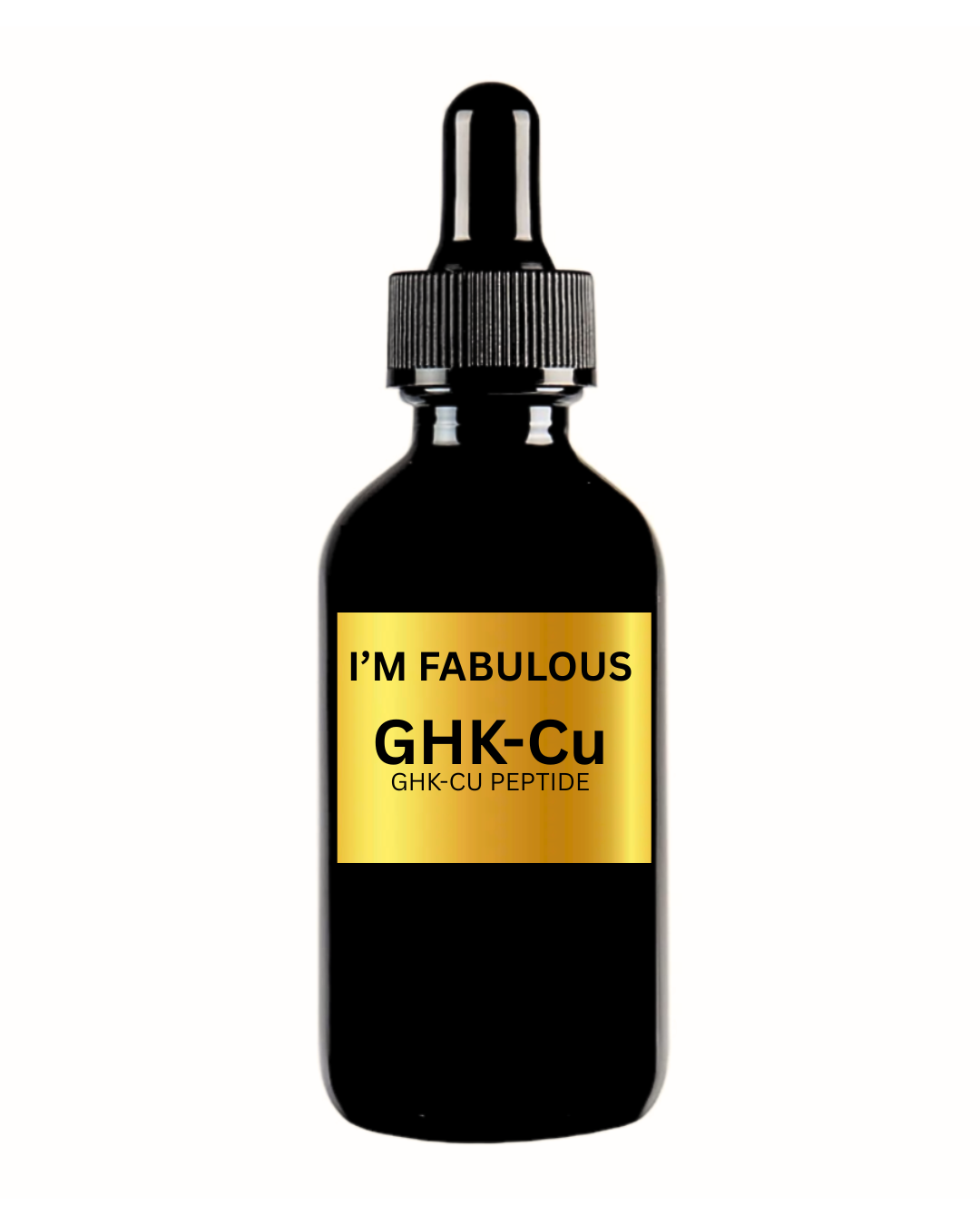
GHK-Cu is the gold standard peptide for menopausal skin and the most extensively researched anti-aging peptide available. It occurs naturally in the body but declines sharply with age and hormonal change. When applied topically, it penetrates the dermis and directly activates the cellular machinery responsible for collagen production.
For menopausal women, GHK-Cu is uniquely powerful because it does not rely on estrogen to work. Multiple clinical studies show it increases skin thickness by up to 120%, reduces fine line depth by up to 35%, and improves overall skin firmness measurably within 12 weeks. It also has potent anti-inflammatory properties — critical for menopausal skin that tends toward increased sensitivity and redness.
Used with a Hydra Needle, absorption increases dramatically — making the combination of GHK-Cu and micro-infusion one of the most powerful at-home menopausal skin treatments available.

During menopause, the loss of collagen support beneath expression lines causes them to deepen rapidly. SNAP-8 attacks this problem from a completely different angle than collagen-stimulating peptides — it reduces the muscle tension that drives wrinkle formation in the first place.
SNAP-8 is often called nature's Botox — not because it completely paralyzes muscle movement, but because it meaningfully reduces the frequency and intensity of the micro-contractions that carve lines into collagen-depleted menopausal skin. Clinical studies show it reduces wrinkle depth by up to 63% in the periorbital area (around the eyes) with consistent twice-daily use.
When used alongside GHK-Cu, SNAP-8 creates a powerful synergy: GHK-Cu rebuilds the collagen scaffold from below while SNAP-8 reduces the mechanical pressure on it from above. The combined effect on menopausal expression lines is significantly greater than either peptide delivers alone.

Syn-Ake is the third pillar of the menopausal peptide protocol. While SNAP-8 works at the neuromuscular junction, Syn-Ake works directly at the muscle cell membrane — blocking the sodium channels that allow muscle fibers to contract. The result is a topical muscle relaxation that visibly smooths expression lines and improves overall skin texture.
For menopausal skin specifically, Syn-Ake addresses the crepey texture and surface roughness that develops as collagen and elastin degrade. By reducing the constant micro-tension in facial muscles, it allows the skin to rest in a smoother, more relaxed state — particularly beneficial for the forehead, around the eyes, and the corners of the mouth.
Used in combination with GHK-Cu and SNAP-8, Syn-Ake completes a three-pronged approach: rebuild collagen (GHK-Cu), reduce neuromuscular tension (SNAP-8), and relax muscle fibers directly (Syn-Ake).
Matrixyl 3000 is a combination of two peptides that work synergistically to rebuild the extracellular matrix — the structural scaffolding of the dermis that gives skin its firmness and resilience. Because it activates collagen through a different pathway than GHK-Cu, the two peptides can be used together for additive collagen stimulation. For severely collagen-depleted menopausal skin, Matrixyl 3000 in a moisturizer or night cream is an excellent complement to a GHK-Cu serum protocol.
Argireline is the precursor to SNAP-8 — a shorter, widely studied hexapeptide with similar muscle-relaxing properties. It was the original "Botox alternative" peptide and remains one of the most validated topical wrinkle-relaxing actives available. For women in perimenopause who are beginning to notice expression lines deepening, Argireline-based formulations provide an excellent entry point into the peptide protocol. SNAP-8 offers enhanced efficacy for more advanced menopausal skin concerns.
How Do Peptides Compare to Retinol for Menopausal Skin?
Retinol has long been considered the gold standard of anti-aging skincare — but menopausal skin has a complicated relationship with it. As estrogen drops, the skin barrier weakens significantly, making menopausal skin more reactive, more sensitive, and more prone to retinol-induced irritation, peeling, and redness.
| Factor | Peptides | Retinol |
|---|---|---|
| Skin barrier impact | Supports and strengthens barrier | Can compromise weakened barrier |
| Sensitivity risk | Very low — suitable for sensitive menopausal skin | High — irritation common in menopausal skin |
| Collagen stimulation | Direct — via peptide receptor activation | Indirect — via retinoic acid receptor |
| Daytime use | Yes — safe morning and evening | Evening only — photosensitizing |
| Downtime | None | Peeling, redness common |
| Layering options | Excellent — works with most actives | Limited — conflicts with many acids |
| Speed of results | 2-4 weeks for texture, 6-12 weeks for firmness | 3-6 months for visible results |
The conclusion for most menopausal women is clear: peptides offer superior tolerability, comparable or better results for collagen stimulation, and significantly less risk of barrier disruption — the exact vulnerability that menopause creates. Many dermatologists now recommend peptides as the primary anti-aging strategy for women in menopause, with retinol reintroduced cautiously only once the barrier has been rebuilt and strengthened.
What is the Best Peptide Routine for Menopausal Skin?
- Gentle cleanser — preserve barrier integrity; avoid foaming or stripping formulas
- GHK-Cu Copper Peptide Serum — apply to damp skin; stimulates collagen throughout the day
- Hyaluronic acid serum — layer over GHK-Cu for deep hydration and barrier support
- Organic moisturizer — lock in actives and reinforce the moisture barrier
- SPF 30+ — non-negotiable; UV accelerates every menopausal skin concern
- Double cleanse — oil cleanser first, gentle cleanser second
- SNAP-8 Neuropeptide Serum — focus on forehead, eyes, and expression areas
- Syn-Ake Peptide Serum — layer over SNAP-8 for full-face muscle relaxation
- GHK-Cu Copper Peptide Serum — collagen synthesis peaks during sleep; maximize with GHK-Cu
- Rich night cream or facial oil — replenish lipids and support overnight barrier repair
- Apply TCA Gorgeous Peel once monthly to reset cellular turnover and stimulate new collagen
- Apply GHK-Cu immediately post-peel — micro-channels increase peptide absorption by up to 10x
- Use gentle, peptide-rich hydrating skincare for 48 hours post-peel
- Expect 2-5 days of light peeling — this is the collagen reset at work
How Long Does it Take for Peptides to Work on Menopausal Skin?
Skin feels measurably more hydrated and less tight. The uncomfortable dryness of menopausal skin begins to ease. Peptides start rebuilding the moisture barrier and reducing transepidermal water loss.
Surface texture begins to smooth. Fine lines appear softer. After the first monthly TCA peel, radiance and clarity improve visibly. The dull, grey quality of menopausal skin starts to lift.
Friends notice a difference without being able to pinpoint exactly what changed. Skin appears firmer and more lifted. Expression lines around the eyes and forehead visibly soften as SNAP-8 and Syn-Ake take full effect.
The most rewarding phase. Collagen rebuilding becomes visible as measurably increased skin density, bounce, and resilience. Age spots fade. Deep wrinkles continue to soften. The overall impression is of skin that is aging in a completely different direction.
Can You Use Peptides with Other Menopausal Skincare Actives?
One of the greatest advantages of peptides is their exceptional compatibility with other skincare actives. Unlike retinol (which conflicts with many acids and oxidizing agents), peptides layer beautifully with virtually every other ingredient in a sophisticated menopausal skincare protocol.
Peptides + Vitamin C
An excellent combination for menopausal skin. Vitamin C provides antioxidant protection and brightens the hormonal pigmentation that frequently appears during menopause, while peptides rebuild the structural collagen beneath the surface. Apply Vitamin C first in your morning routine, then layer GHK-Cu over it once absorbed.
Peptides + Hyaluronic Acid
The ideal hydration pairing for menopausal skin. Hyaluronic acid restores surface and deep hydration that estrogen decline depletes, while peptides rebuild the dermal structure. Apply peptide serums first, then hyaluronic acid to lock in moisture on top.
Peptides + TCA Peel
The most powerful combination in this protocol. A monthly TCA Gorgeous Peel opens micro-channels in the skin that dramatically increase peptide absorption in the 24-48 hours following treatment. Applying GHK-Cu immediately after a TCA peel delivers peptides deeper into the dermis than standard topical application allows.
Peptides + Niacinamide
A beneficial combination for menopausal skin that is dealing with both collagen loss and pigmentation changes. Niacinamide reduces melanin transfer (fading age spots) and strengthens the barrier, while peptides rebuild structural collagen. They are fully compatible and work beautifully together.
Shop the Menopausal Peptide Collection
Every product below is pharmaceutical-grade, 100% organic, vegan, cruelty-free, and made in small batches in the USA — formulated specifically to address the hormonal skin changes of menopause.

Frequently Asked Questions: Peptides and Menopause
Do peptides work for menopausal skin?
Yes — and they are among the most effective topical treatments available for menopausal skin. Peptides like GHK-Cu directly activate collagen synthesis through receptor mechanisms that are completely independent of estrogen. This means they work even when estrogen is negligible, making them uniquely suited to post-menopausal skin that has lost its primary hormonal signal for collagen production.
Which peptide is best for menopause skin?
GHK-Cu (Copper Tripeptide-1) is the most clinically supported peptide for menopausal skin. It directly stimulates collagen and elastin synthesis, increases skin thickness, and reduces fine lines. For a complete protocol, combine with SNAP-8 (targets expression lines) and Syn-Ake (relaxes facial muscle tension).
When should you start using peptides for menopause?
The ideal time is during perimenopause — before significant collagen loss has occurred. However, peptides deliver measurable results at any stage of menopause or post-menopause. The earlier you start, the more collagen you preserve; the later you start, the more you rebuild. Either way, consistent daily use delivers results.
Can you use multiple peptides together?
Yes — and this is actually recommended. GHK-Cu, SNAP-8, and Syn-Ake work through different mechanisms and complement each other without conflict. Layer them in the correct order (serum texture first, then heavier formulas), and the combined effect on menopausal skin is significantly greater than any single peptide delivers alone.
Are peptides safe for sensitive menopausal skin?
Yes — peptides are one of the safest categories of anti-aging actives for menopausal skin. Unlike retinol or exfoliating acids, peptides do not cause irritation, photosensitivity, or barrier disruption. They actively support barrier integrity while rebuilding collagen — making them ideal for the sensitive, reactive skin that menopause often causes.
How long do peptides take to work on menopausal skin?
Hydration and comfort improve within 1-2 weeks. Texture and radiance improve within 3-4 weeks. Firming and expression line softening becomes visible at 6-8 weeks. Structural collagen rebuilding — measurable increases in skin density — shows at 3-6 months of consistent daily use.
Further Reading and Scientific References
- NIH — Skin Collagen Changes During Menopause
- NIH — GHK-Cu: A Multi-Functional Peptide for Skin Regeneration
- PubMed — SNAP-8 Peptide Efficacy in Reducing Periorbital Wrinkles
- American Academy of Dermatology — Skin Care and Menopause
- The Menopause Society — Skin Care During Menopause
- I'm Fabulous Cosmetics — Complete Peptide Collection
- I'm Fabulous Cosmetics — TCA Gorgeous Peel
Build Your Menopausal Peptide Protocol
Explore the complete I'm Fabulous Cosmetics peptide collection — pharmaceutical-grade, organic, and formulated specifically for the hormonal skin changes of menopause.
Shop Peptide Serums Shop TCA Peel