Safe, Natural Skincare Ingredients: An Esthetician's A–Z Guide
The Skin Edit | The Ingredient Glossary | October 2026
Read the Label Like an Esthetician
The natural, organic and gentle skincare ingredients worth looking for, what each one does, who it suits, and exactly where to find it. A Master Esthetician's A–Z guide to ingredients you can trust.
Written by the I'M FABULOUS COSMETICS® studio, with notes from our founder, a Master Esthetician of more than twenty years | 12 minute read
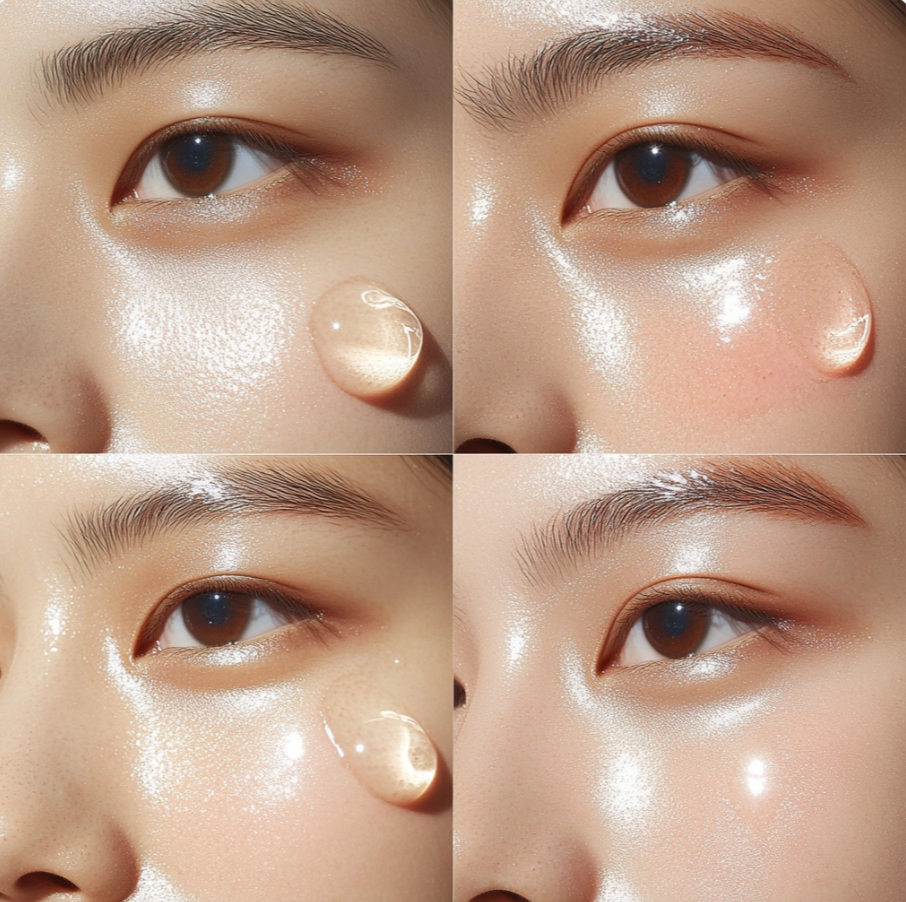
Turn over almost any jar of skincare and you'll find a list of Latin plant names and chemical terms in tiny print. Most people skip it. The most discerning clients we know read it first, because the ingredient list is the only part of the packaging that isn't marketing. It tells you exactly what you're putting on your skin, in order of concentration.
This guide decodes the natural and organic ingredients most worth looking for, explains what each one does, flags the few that deserve care, and shows you where to find them in our own formulas. Bookmark it; it's the glossary we wish every client had.
The short answer
The safest, most beneficial natural skincare ingredients are those with long track records and gentle profiles: hydrators such as aloe vera, glycerin, hyaluronic acid and botanical hyaluronic acid; barrier-friendly plant oils such as jojoba, rosehip, shea and sea buckthorn; antioxidants such as green tea, vitamin E, resveratrol, licorice root and stable forms of vitamin C; and soothing botanicals such as Centella asiatica, cucumber and seaweed. Gentle, well-studied actives such as niacinamide and peptides pair well with them. "Natural" doesn't automatically mean safe, so look for fragrance-free formulas if your skin is sensitive, use essential oils with care, and patch-test anything new.
Before you startThree rules for reading any label
1. Order matters. Ingredients are listed from highest to lowest concentration, so the first five tell you what a product mostly is.
2. Look for the INCI name. Every ingredient has an official international name (for example, Aloe Barbadensis Leaf Extract for aloe). It is how you compare products accurately.
3. An asterisk usually signals organic. Many brands mark certified organic ingredients with an asterisk (*) and explain it at the end of the list.
At a glanceThe natural ingredient guide
| Ingredient | Natural source | Main benefit | Best for |
|---|---|---|---|
| Aloe vera | Aloe plant leaf | Hydrates and soothes | All skin types, sensitive |
| Botanical hyaluronic acid | Cassia seed | Draws in water, plumps | Dehydrated, mature |
| Glycerin | Usually plant oils | Attracts and holds moisture | All skin types |
| Jojoba oil | Jojoba seed | Balances, closely resembles skin's own oils | Dry, combination |
| Rosehip oil | Wild rose seed | Nourishes, improves texture | Dry, uneven tone |
| Sea buckthorn oil | Sea buckthorn berry | Rich in omega fatty acids and carotenoids | Dry, dull |
| Green tea | Camellia sinensis leaf or seed | Antioxidant, calming | All, redness-prone |
| Resveratrol | Grapes, Japanese knotweed | Antioxidant defense | Mature, stressed |
| Licorice root | Licorice plant | Brightens, calms | Dark spots, dark circles |
| Centella asiatica | Gotu kola plant | Soothes and supports the barrier | Sensitive, reactive |
| Seaweed | Red algae (Irish moss) | Mineral-rich hydration | Dehydrated, mature |
| Radish root ferment | Fermented radish | Gentle, plant-based preservation | Clean formulas |
Chapter oneThe hydrators
Aloe vera
INCI: Aloe Barbadensis Leaf Extract / Leaf JuiceThe soothing gel inside the aloe leaf is rich in water, sugars and minerals. It hydrates, calms redness and makes an ideal base for serums, replacing plain water with something that actively cares for skin.
Find it in: Hyaluronic Acid Hydrating Serum (organic aloe as the first ingredient) and NAD+ PDRN Resveratrol Collagen Serum.
Botanical hyaluronic acid
INCI: Cassia Angustifolia Seed PolysaccharideA plant-derived polysaccharide that behaves like hyaluronic acid, drawing water into the skin for a plumper, smoother look. A beautiful choice for anyone who wants hydration from a botanical source.
Find it in: Hyaluronic Acid Hydrating Serum and Super Peptide Eye Serum.
Glycerin and sodium hyaluronate
INCI: Glycerin; Sodium HyaluronateTwo of the most trusted humectants in skincare. Glycerin is usually derived from plant oils and has been reviewed by the independent Cosmetic Ingredient Review panel. Sodium hyaluronate is the salt form of hyaluronic acid, a molecule your skin makes naturally.
Find it in: GHK-Cu Copper Peptide Serum, SNAP-8 Peptide Serum and the NAD+ PDRN Serum.
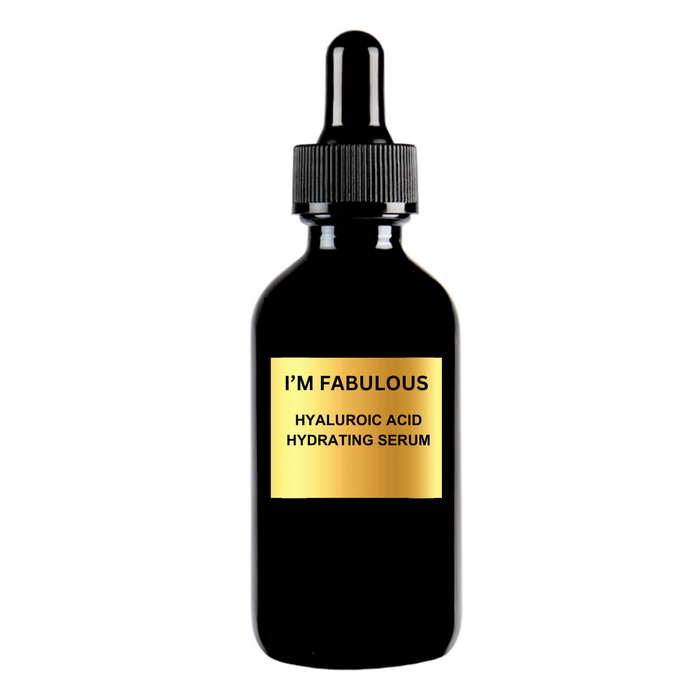 Hyaluronic Acid Hydrating Serum
Organic aloe, botanical HA, green tea, Centella
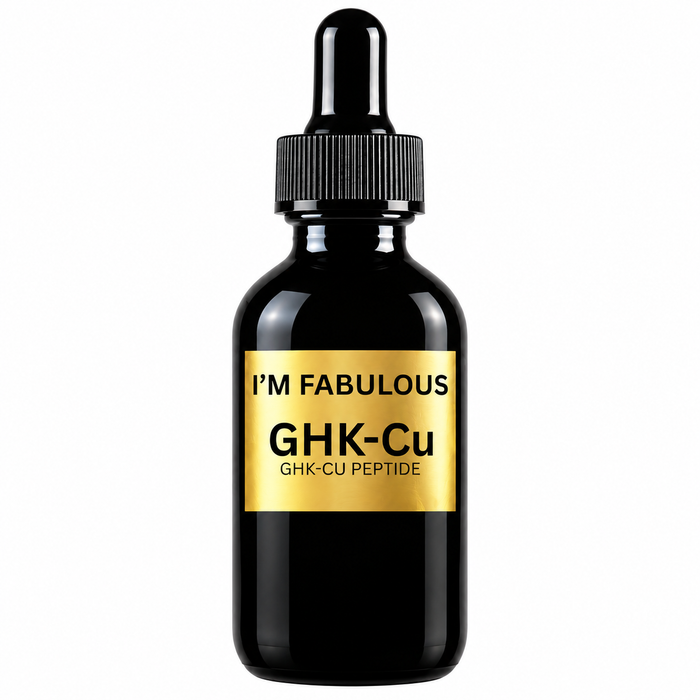 GHK-Cu Copper Peptide Serum
Five ingredients: GHK-Cu, glycerin, hyaluronate
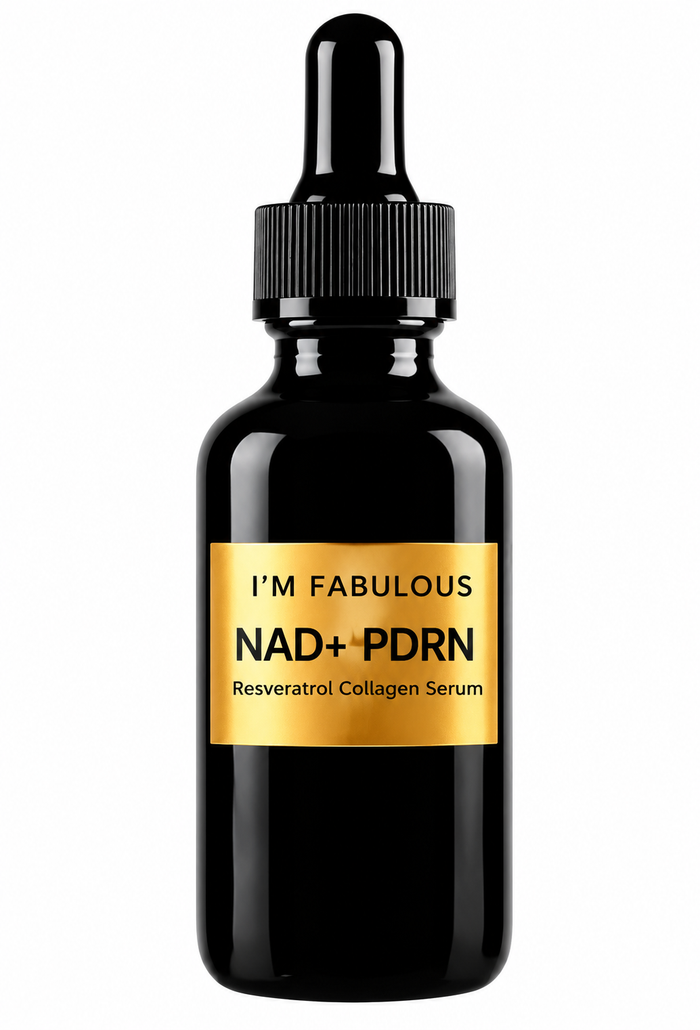 NAD+ PDRN Resveratrol Collagen Serum
Aloe, seaweed, rosemary, resveratrol
Chapter twoThe plant oils
Jojoba oil
INCI: Simmondsia Chinensis Seed OilTechnically a liquid wax, jojoba closely resembles the skin's own sebum, which is why it feels so comfortable. It softens and balances without heaviness.
Find it in: Vitamin C Super Brightening Serum and Super Peptide Eye Serum (organic jojoba).
Rosehip oil
INCI: Rosa Canina Fruit / Seed OilPressed from wild rose seeds, rosehip is rich in essential fatty acids and is loved for improving the look of texture and uneven tone.
Find it in: Vitamin C Super Brightening Serum.
Sea buckthorn, shea, baobab and meadowfoam oils
INCI: Hippophae Rhamnoides Oil; Butyrospermum Parkii Oil; Adansonia Digitata Oil; Limnanthes Alba Seed OilA nourishing quartet. Sea buckthorn brings omega fatty acids and natural carotenoids; shea and baobab are deeply softening; meadowfoam is exceptionally stable and silky.
Find them in: the waterless Vitamin C Super Brightening Serum, made with ingredients from organic farming.
A closer look: plant-oil vitamin C
Most vitamin C serums are water-based and use L-ascorbic acid, which can oxidize quickly. Our Vitamin C Super Brightening Serum takes a different approach.
- Tetrahexyldecyl ascorbate (THD)
- An oil-soluble, stable form of vitamin C, at 20%.
- Seven organic plant oils
- Jojoba, shea, green tea seed, baobab, rosehip, sea buckthorn and meadowfoam.
- Vitamin E
- A natural antioxidant partner to vitamin C.
- Formulated without water
- A concentrated, waterless format.
Chapter threeThe antioxidants
Green tea
INCI: Camellia Sinensis Leaf Extract / Seed OilRich in polyphenols that help defend skin against environmental stress and calm the look of redness. Green tea-derived ingredients have also been assessed by the Cosmetic Ingredient Review panel.
Find it in: Hyaluronic Acid Hydrating Serum (organic extract) and Vitamin C Super Brightening Serum (organic seed oil).
Resveratrol
INCI: ResveratrolThe polyphenol that grapes produce to protect themselves from UV and stress, used in skincare as an antioxidant for mature, tired-looking skin.
Find it in: NAD+ PDRN Resveratrol Collagen Serum.
Vitamin E
INCI: Tocopherol / Tocopheryl AcetateA classic antioxidant that also helps protect delicate plant oils in a formula from oxidizing.
Find it in: Vitamin C Super Brightening Serum, Hyaluronic Acid Hydrating Serum and Super Peptide Eye Serum.
Licorice root and rosemary
INCI: Glycyrrhiza Glabra Root Extract; Rosmarinus Officinalis ExtractLicorice is a time-honored brightening and calming botanical, especially valued around the eyes. Rosemary brings antioxidant protection.
Find them in: licorice in the Super Peptide Eye Serum; rosemary in the NAD+ PDRN Serum.
Chapter fourThe soothers
Centella asiatica (gotu kola)
INCI: Centella Asiatica ExtractA cornerstone of Korean skincare, prized for calming reactive skin and supporting a healthy-looking barrier. Its derived ingredients have been reviewed by the Cosmetic Ingredient Review panel.
Find it in: Hyaluronic Acid Hydrating Serum.
Cucumber and periwinkle
INCI: Cucumis Sativus (Cucumber) Distillate; Vinca Major (Periwinkle)Cooling cucumber refreshes tired, puffy-looking eyes; periwinkle is a traditional botanical included to support the look of the delicate under-eye area.
Find them in: Super Peptide Eye Serum.
Seaweed (Irish moss) and immortelle
INCI: Chondrus Crispus Extract; Helichrysum ItalicumIrish moss is a mineral-rich red algae that leaves a silky, hydrated finish. Immortelle, the "everlasting flower" of the Mediterranean, is a treasured botanical in luxury skincare.
Find them in: seaweed in the NAD+ PDRN Serum; immortelle in the Hyaluronic Acid Hydrating Serum.
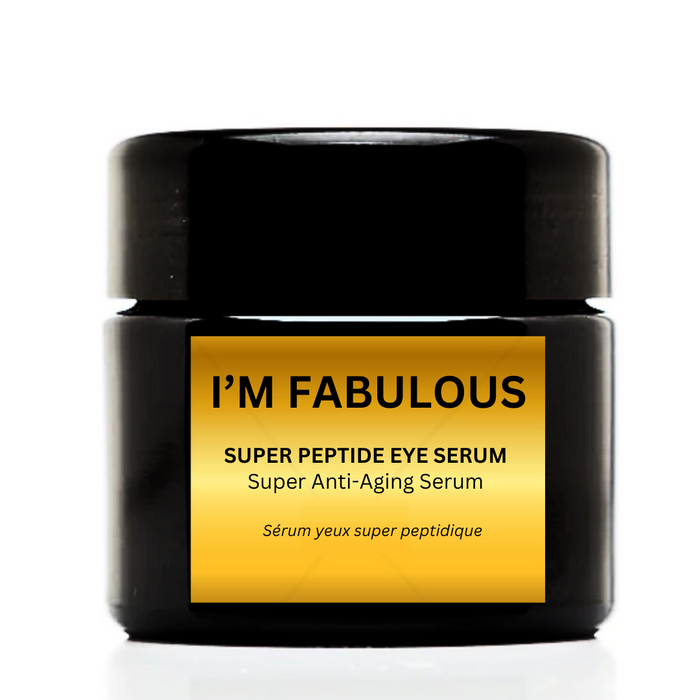 Super Peptide Eye Serum
Cucumber, licorice, periwinkle, botanical HA
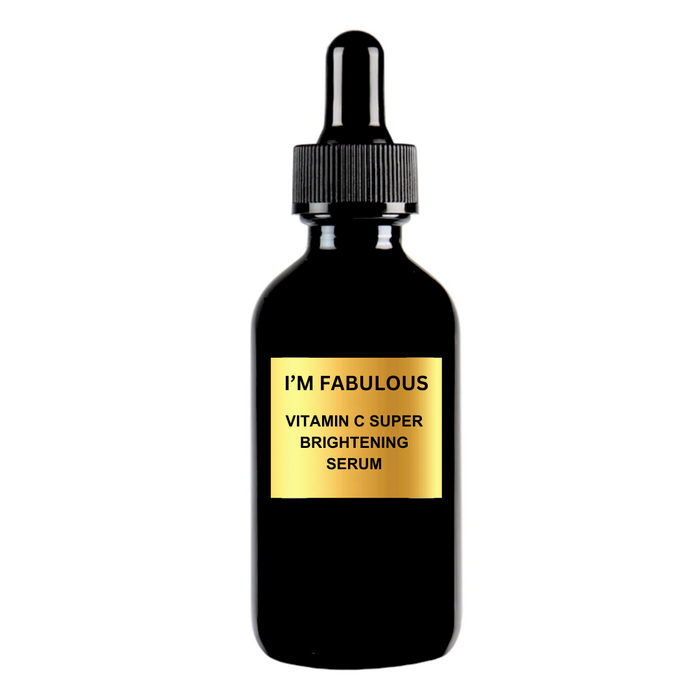 Vitamin C Super Brightening Serum
Stable vitamin C in seven organic plant oils
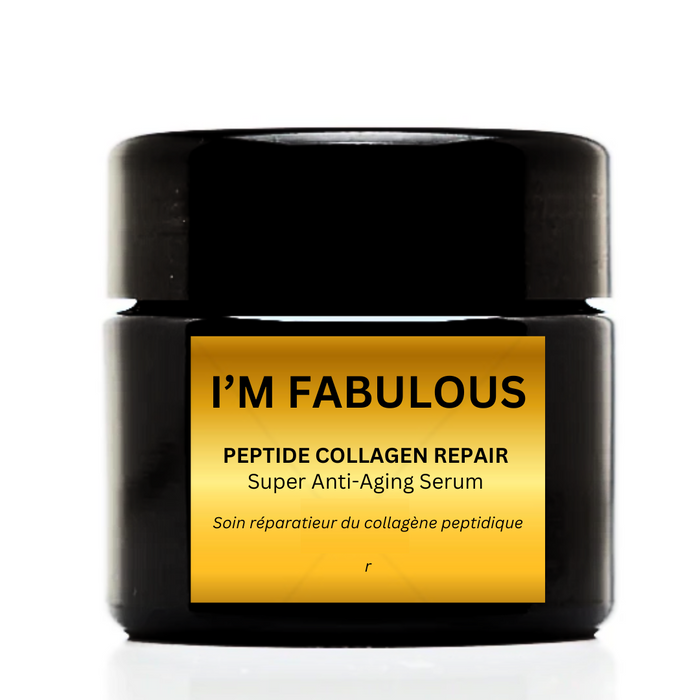 Peptide Collagen Repair Cream
Peptides with ingredients from organic farming
Chapter fiveNature-identical science
Some of the gentlest, most effective ingredients are made through biotechnology but mirror molecules your body already produces. They pair beautifully with botanicals.
Peptides
INCI: Copper Tripeptide-1 (GHK-Cu); Acetyl Octapeptide-3 (SNAP-8)Short chains of amino acids, the building blocks of proteins. GHK-Cu occurs naturally in human plasma; SNAP-8 is designed to soften the look of expression lines. Both are gentle and suit most skin types.
Find them in: GHK-Cu Copper Peptide Serum, SNAP-8 Peptide Serum and Super Peptide Eye Serum.
Niacinamide
INCI: NiacinamideA form of vitamin B3 and one of the most researched, best-tolerated ingredients in dermatology, supporting a stronger barrier, a more even tone and smoother texture.
Find it in: NAD+ PDRN Resveratrol Collagen Serum.
MSM
INCI: Dimethyl SulfoneA sulfur compound found naturally in many plants and foods, used in skincare for its conditioning and comforting properties.
Find it in: Hyaluronic Acid Hydrating Serum and Super Peptide Eye Serum.
Radish root ferment filtrate
INCI: Leuconostoc/Radish Root Ferment FiltrateEvery water-based product needs protection from bacteria and mold; that is a safety essential, not an option. This fermented radish ingredient is a plant-derived alternative to conventional preservatives.
Find it in: GHK-Cu, SNAP-8 and Hyaluronic Acid Hydrating Serums.
“The safest ingredient list isn't the shortest or the most natural. It's the one where every ingredient has a reason to be there.”
From our founder's treatment room notes
Chapter sixNatural ingredients that deserve care
Honesty builds trust, so here is what we tell every client.
Essential oils. Lavender, geranium and many other essential oils are natural and beautifully aromatic, but they are also among the more common causes of skin sensitivity. If your skin is reactive, choose fragrance-free formulas. (For full transparency: our Vitamin C Super Brightening Serum contains organic geranium and lavender oils, while our GHK-Cu and SNAP-8 Peptide Serums, NAD+ PDRN Serum and Super Peptide Eye Serum do not list essential oils.)
Added fragrance. Listed as "fragrance" or "parfum," it is one of the most common triggers of cosmetic allergies.
High-strength acids and peels. Effective in the right hands, but best introduced gradually and never combined with other strong exfoliants.
Any new ingredient. Even the gentlest botanical can disagree with an individual. Patch-test on the jawline for 24 hours.
Want to go deeper? Read Is Plant-Based Skincare Worth the Hype?, our comparison of PDRN vs. GHK-Cu, or browse every formula on our ingredients page.
The questions we're asked mostNatural skincare ingredients, answered
What are the safest natural skincare ingredients?
Ingredients with long track records and gentle profiles: aloe vera, glycerin, hyaluronic acid, botanical hyaluronic acid, jojoba oil, shea, green tea, vitamin E, Centella asiatica and cucumber. Gentle, well-studied actives such as niacinamide and peptides pair well with them. Always patch-test new products.
What natural ingredients are best for anti-aging?
Antioxidants such as resveratrol, green tea and vitamin C; hydrators such as hyaluronic acid and aloe; nourishing oils such as rosehip and sea buckthorn; and nature-identical actives such as peptides and niacinamide.
What ingredients should I look for in organic skincare?
Look for organic botanicals near the top of the ingredient list, an asterisk or note identifying certified organic ingredients, a named certifier, and proven actives that address your concern. Avoid added fragrance if your skin is sensitive.
Are natural skincare ingredients always safe?
No. Natural ingredients can still irritate; essential oils are a common example. Safety depends on the ingredient, its concentration and the full formula.
What is botanical hyaluronic acid?
A plant-derived polysaccharide, often from Cassia angustifolia seed, that draws water into the skin much like hyaluronic acid, for a plumper, smoother look.
What is a natural preservative in skincare?
Leuconostoc/radish root ferment filtrate is one example: a fermented plant ingredient used as an alternative to conventional preservatives. Every water-based product needs some form of preservation to stay safe.
Are peptides natural?
Peptides are chains of amino acids, the same building blocks the body uses. Some, like GHK-Cu, occur naturally in the body; cosmetic peptides are typically made through biotechnology for purity and consistency.
How can I check whether a skincare ingredient is safe?
Look up its INCI name, check independent resources such as the Cosmetic Ingredient Review, consider your own sensitivities, and patch-test before full use.
SourcesFurther reading
Cosmetic Ingredient Review (CIR): independent expert safety assessments of cosmetic ingredients.
US Food and Drug Administration. "Organic" Cosmetics.
Ingredients you can read. Results you can see.
Plant-powered, cruelty-free luxury skincare, formulated by a Master Esthetician and made fresh in small batches in the USA. Three complimentary samples in every order.
Shop the Hyaluronic Acid Serum Shop All SerumsThis article is for educational purposes and is not medical advice. Cosmetic products are not intended to diagnose, treat, cure or prevent any disease. Individual results vary. Read our medical disclaimer.