
Skin Flooding Is Everywhere Right Now. Here's What's Actually Real About It
I'M FABULOUS COSMETICS · The Hydration Edit
It has racked up genuinely millions of views under a slightly dramatic, almost alarming-sounding name. The actual technique behind it, though, is something dermatologists have been quietly recommending for years, long before anyone thought to give it a name at all.
Quick summary: "Skin flooding" is the viral term for layering hydrating products, mist, humectant serum, then a sealing moisturizer, onto damp skin instead of dry skin. The name is new. The science isn't. Occlusive ingredients can reduce water loss through the skin by up to roughly 98%, and applying a humectant like hyaluronic acid to damp skin gives it a nearby water source to draw from instead of pulling moisture from deeper layers. Done correctly, with the right texture and order, it's one of the more genuinely useful trends to come out of skincare social media in a while.

What Skin Flooding Actually Is
Strip away the dramatic name and skin flooding is a fairly simple layering method: apply a hydrating mist or toner to damp skin, follow with a humectant-rich serum while skin is still slightly wet, then seal everything in with a moisturizer or occlusive layer before the water has a chance to evaporate. The order matters as much as the products themselves, which is exactly what most people miss the first time they try it and wonder why it didn't feel any different.
The term itself is TikTok-born, and it's still genuinely viral heading through 2025 and into 2026, with dermatologists across major outlets weighing in on why it actually works rather than dismissing it as another passing trend. That's relatively rare territory for a social-media skincare term, most get picked apart by professionals within weeks. This one has mostly, genuinely held up well under real professional scrutiny.
Why the Order and Timing Actually Matter
Humectant ingredients, hyaluronic acid, glycerin, panthenol, work by attracting water molecules and holding onto them. That's a genuinely useful property, but it comes with a catch: if the surrounding air is dry and skin is completely dehydrated when you apply a humectant, it can end up pulling water from deeper skin layers instead of the environment, which can leave skin feeling more parched rather than less. Applying that same humectant to damp skin solves this directly, it gives the ingredient an immediate, nearby water source to draw from, rather than competing with your own skin for moisture.
The final occlusive step matters just as much. Occlusive ingredients create a physical seal on the skin's surface, and that seal can reduce transepidermal water loss, the technical term for water evaporating out through skin, by as much as roughly 98% depending on the formulation. Skip that step, and even a perfectly executed humectant layer will simply evaporate along with everything it just absorbed.
"A humectant without a seal is just moisture on a timer."
Why So Many People Actually Need This Right Now
Compromised skin barriers are far more common than most people assume. Current estimates suggest somewhere between 60% and 70% of women, and 50% to 60% of men, report having sensitive or reactive skin. Some of that is genetic. A meaningful share of it is also self-inflicted, over-exfoliation, aggressive acid routines, and skipping proper hydration in favor of "actives-only" routines have left a lot of people with barriers that are working harder than they need to. Skin flooding, done correctly, is essentially a barrier-support technique with a viral name attached to it, which is exactly why it's resonating with so many people whose skin has quietly been asking for this for a while.
Building a Skin-Flooding Routine With Real Ingredients
The technique only works as well as the ingredients behind it, and this is where formulation quality actually matters more than the trend itself. Start with clean, damp skin, patting rather than rubbing dry so a thin layer of water remains on the surface. Apply the Vitamin C Hydrating Serum while skin is still damp, its hydrating formulation is specifically built to work with this kind of humectant-forward layering, giving you both antioxidant support and moisture retention in the same step.
From there, layer in whichever serum matches your primary concern, the NAD+ Resveratrol Collagen Serum and the Caviar Luxury Lifting Serum are both formulated with humectant-rich bases, including sodium hyaluronate and aloe vera, that pair naturally with this technique rather than fighting against it. Finish with a moisturizer from our moisturizers collection to lock everything in before the water you just added has any chance to evaporate.
Why Molecular Weight Actually Matters in Hyaluronic Acid
Not all hyaluronic acid behaves the same way on skin, and this is one of the more genuinely useful pieces of science behind why layering technique matters. Higher molecular weight hyaluronic acid tends to sit on the skin's surface, forming a film and working primarily as a humectant and a texture-improving agent. Lower molecular weight hyaluronic acid penetrates somewhat further into the epidermis, research suggests roughly 8 to 11% penetration after about thirty minutes, giving it a slightly different, complementary role. A well-formulated serum accounts for this, rather than relying on a single molecular weight and hoping it does everything at once.
What This Isn't Meant to Fix
Skin flooding is a hydration and barrier-support technique, not a treatment for structural aging concerns like deep wrinkles, significant volume loss, or hyperpigmentation. Those concerns respond better to targeted actives, peptides like Syn-Ake or GHK-Cu for structural support, used as part of a broader routine rather than a substitute for one. Hydration and structural repair aren't competing goals, they're complementary layers of the same overall approach, and treating hydration as the whole solution, or ignoring it entirely in favor of only "serious" actives, both tend to produce worse results than combining them thoughtfully.
Common Mistakes That Undo the Whole Technique
The most common mistake is skipping the occlusive step entirely, applying a beautifully layered humectant routine and then walking away without sealing it in, which lets most of that moisture evaporate within the hour. The second most common mistake is going too heavy with texture, four layers of thick, rich cream isn't skin flooding, it's just an overloaded barrier that can trigger breakouts, especially for oilier or acne-prone skin types. The technique works best with lightweight, well-formulated layers, not maximum product volume.
A third mistake worth naming directly: doing this over already-irritated or actively compromised skin expecting it to fix the underlying problem overnight. Skin flooding supports a healthy barrier and helps prevent further water loss, but if skin is already reactive from over-exfoliation or an aggressive acid routine, easing off the harsh actives first matters more than adding hydration layers on top of an already-struggling barrier.
How Skin Flooding Interacts With Actives You're Already Using
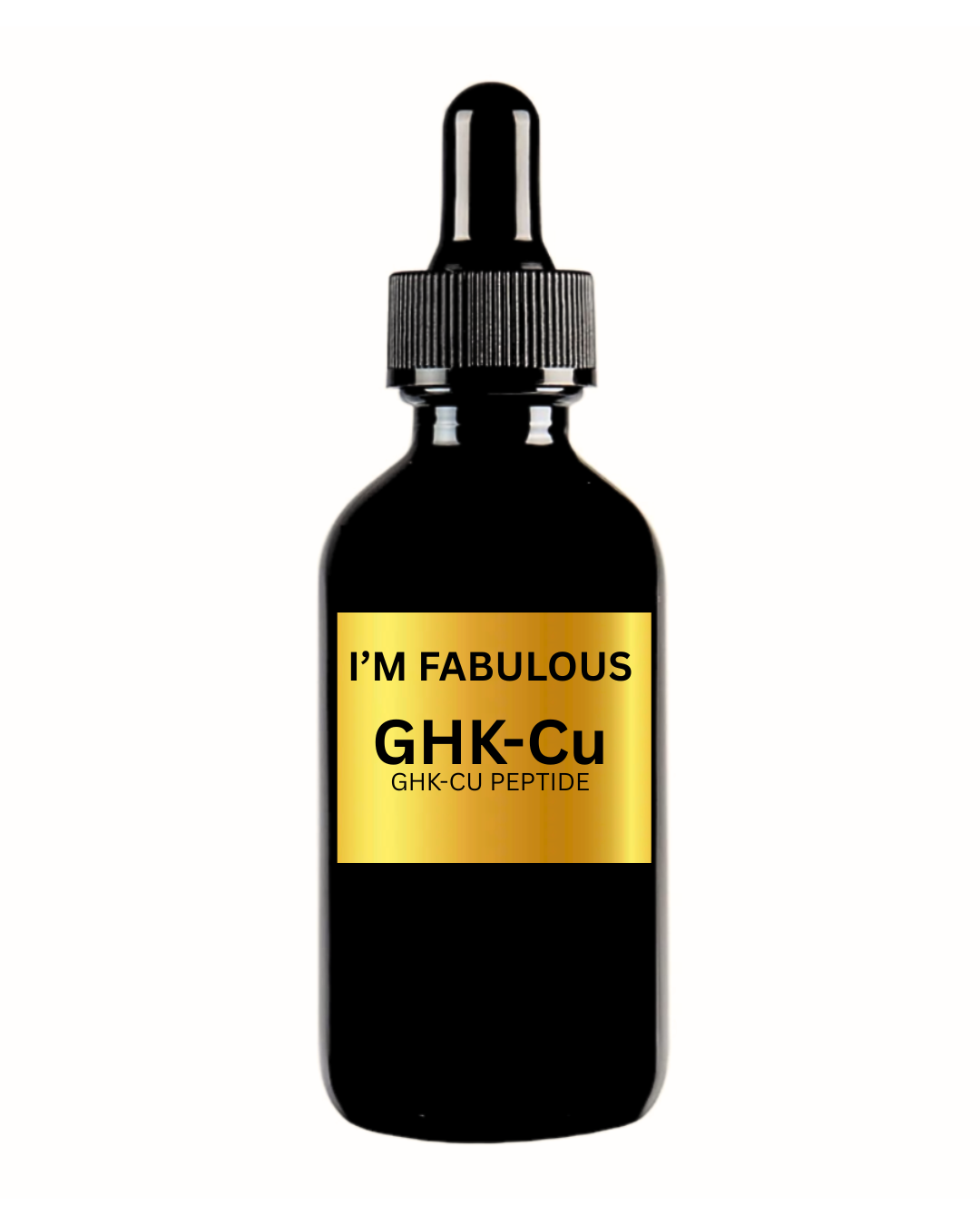
A question we hear constantly: does skin flooding mean pausing peptides, Vitamin C, or other targeted actives entirely? Not necessarily, but sequencing matters. On nights when you're using a structural active like GHK-Cu, applying it before your hydration layers, on clean, damp skin, lets it do its job without being diluted or displaced by a heavier occlusive layered on top too soon afterward. A simple approach many clients use: apply targeted actives first while skin is still slightly damp, wait a minute or two for absorption, then move into the humectant-and-seal sequence described above.
The exception worth naming directly: strong exfoliating acids and skin flooding generally shouldn't happen in the same session. If you're using a resurfacing treatment, give your barrier a night or two before layering on a full hydration routine, since freshly exfoliated skin is already more permeable and doesn't need the added variable of heavy layering while it's recovering.
Two Composite Examples
Consider someone who spent the better part of a year on an aggressive multi-acid, multi-retinoid routine chasing faster results, only to end up with visibly compromised, reactive skin that flushed at the slightest change in temperature. Pulling back to a simplified, correctly-sequenced hydration routine, humectant serum on damp skin, sealed with a proper moisturizer, gave the barrier room to actually recover before reintroducing any stronger actives.
Or consider someone managing naturally oily, acne-prone skin who had avoided hydrating serums entirely for years, assuming more moisture meant more breakouts. In practice, under-hydrated skin often overproduces oil to compensate, and a lightweight, correctly layered hydration routine actually helped regulate that overproduction rather than worsening it, a counterintuitive but well-documented pattern in oily skin specifically.
The Skin Barrier, Explained Simply
It's worth understanding what's actually being protected here, because "barrier" gets used a lot in skincare marketing without much explanation. The outermost layer of skin, the stratum corneum, functions something like a brick wall: skin cells act as the bricks, and a mix of lipids, ceramides, cholesterol, and fatty acids act as the mortar holding everything together and keeping water in. When that lipid mortar is disrupted, through over-exfoliation, harsh weather, or aggressive actives used without adequate support, water escapes more easily and irritants penetrate more easily too. That's a compromised barrier in practical terms, not an abstract concept, just a wall with gaps in the mortar.
Skin flooding supports this system directly. The humectant layer adds water content back into the equation, and the occlusive layer functions almost like a temporary patch over the gaps, reducing water loss while the skin's own barrier has a chance to rebuild the lipid matrix it needs, a process that happens naturally but benefits enormously from not fighting an uphill battle against constant water loss in the meantime.
Why This Works Differently in Different Climates
Humidity plays a bigger role in this technique than most people realize. In genuinely humid environments, skin loses water to the air more slowly, and a lighter version of this routine, fewer layers, a lighter occlusive, often works just as well as a heavier one. In dry climates, whether that's a naturally arid region, winter air stripped of moisture, or the notoriously dehydrating environment of an airplane cabin, the same routine needs a more robust occlusive step to meaningfully compete with how aggressively the surrounding air is pulling moisture away from skin. Understanding your actual environment, not just your skin type, is part of getting this technique right rather than applying a one-size-fits-all routine regardless of where you live or what season it is.
Why Consistency Beats Intensity Here Too
As with most genuinely effective skincare techniques, the temptation is to go all-in for a few days and then abandon the routine once the immediate plumping effect feels less novel. That's a mistake specifically with barrier-focused techniques like this one, since barrier repair is a gradual, cumulative process, not something that resolves in a single dramatic session. The people who see the most meaningful long-term improvement in skin resilience and reduced reactivity are consistently the ones who kept a simplified version of this routine going nightly for weeks, not the ones who did an intensive version once and moved on to the next trend.
What Ingredients to Actually Look For
Not every product marketed as "hydrating" is built for this technique. Look specifically for humectants near the top of an ingredient list, sodium hyaluronate, glycerin, panthenol, aloe vera, since concentration and placement in the ingredient list matter for how much of an active effect you're actually getting. For the sealing step, look for occlusive ingredients like plant-based oils, squalane, or shea-derived emollients rather than simply "moisturizer" as a category, since not every moisturizer is formulated with meaningful occlusive properties. A well-formulated serum will typically combine multiple humectants at different molecular weights, working the surface and slightly deeper layers simultaneously, rather than relying on a single hydrating ingredient to do all the work.
A Note on Ingredient Transparency
This is also a good moment to flag something worth checking on any product you're using for this technique: full, transparent ingredient lists matter enormously for a layering routine, since you're combining multiple products and want to understand exactly what's interacting with what. Formulas with undisclosed "proprietary blends" make it genuinely difficult to know whether you're actually getting meaningful humectant concentrations or mostly filler ingredients dressed up with a trending word on the label. Every product referenced in this article lists its full ingredient composition for exactly this reason.
Why Timing Around Travel and Seasons Matters
Skin flooding tends to earn its reputation hardest in specific conditions: post-flight skin, dry winter air, or after extended sun exposure, all of which spike transepidermal water loss well above normal. For anyone who travels frequently, building this layering habit into a pre-flight and post-flight routine specifically can meaningfully reduce the flat, tight, dehydrated look that shows up after even a few hours in a pressurized cabin. It's a genuinely practical, situational tool, not something that needs to be a rigid daily ritual for everyone.
How This Fits Into a Broader Routine
Skin flooding works best as one layer of a complete approach rather than the entire strategy. Our skincare protocols guide walks through how to sequence hydration alongside targeted actives like peptides and antioxidants for a genuinely complete routine, and our ingredients philosophy page explains the formulation standards behind why our humectant-forward serums are built to work with this kind of layering in the first place, rather than against it.
Who Benefits Most From This Technique
Dry and dehydrated skin types see the most obvious, fastest results, since they're addressing the most acute version of the underlying problem. But this isn't exclusive to dry skin. Oily and combination skin types dealing with dehydration underneath excess surface oil, a genuinely common and often misunderstood pattern, frequently see meaningful improvement too, since the technique addresses water content specifically rather than oil production. Anyone managing a compromised barrier from over-exfoliation, harsh weather, or simply an actives-heavy routine that never included real hydration support is a strong candidate as well.
What to Expect and When
The plumping, dewy effect of a well-executed skin-flooding routine is often visible within minutes, that's the humectant and occlusive layers doing their job in real time. Longer-term barrier improvement, less reactivity, more resilient skin overall, tends to build over several weeks of consistent use, particularly for anyone starting from a genuinely compromised barrier. The immediate effect and the cumulative effect are both real, they're just operating on different timelines, and it's worth tracking both separately rather than judging the technique purely by how skin looks in the mirror five minutes after applying it.
A useful way to think about this: the immediate plumping effect is essentially proof that the humectant and occlusive layers are doing their basic job correctly. The slower, cumulative improvement in overall resilience and reduced reactivity is the actual payoff, the reason this is worth doing consistently rather than treating it as a one-time fix before a big event.
How to Actually Test Whether It's Working for You
Rather than relying purely on how skin feels immediately after application, which can be misleading since almost anything feels hydrating in the first few minutes, a more reliable check is how skin behaves several hours later or the next morning. Skin that's genuinely benefiting from this routine should feel comfortable, not tight, not greasy, and should show less visible flaking or dullness over the following days. If skin still feels tight by midday despite consistent, correctly-sequenced use, that's usually a sign the occlusive step needs to be stronger or reapplied more often, not that the technique itself has failed you. If skin feels persistently heavy or is breaking out, the layers are likely too rich for your skin type and need to be lightened, fewer products, thinner textures, rather than abandoned entirely as if the whole approach were fundamentally wrong for you.
Why Some People See Faster Results Than Others
Individual variation here is real and worth setting honest expectations around. Someone starting from a genuinely healthy, simply under-hydrated baseline will often see a visible difference within days. Someone starting from a significantly compromised barrier, months of over-exfoliation, chronic dryness, or unmanaged sensitivity, is rebuilding actual structural lipid content in the skin, a slower process that reasonably takes several weeks of consistent effort before the improvement becomes obvious rather than subtle. Neither timeline is a sign the technique isn't working. They're simply different starting points requiring different amounts of patience.
Addressing the "Isn't This Just Basic Skincare" Question
It's a fair question, and the honest answer is: largely, yes. Skin flooding isn't a revolutionary new category of ingredient or technology, it's a viral rebrand of layering hydrating products correctly, something good estheticians and dermatologists have quietly recommended for years without it ever going viral under a catchy name. What the trend has actually contributed isn't new science, it's attention. A huge number of people who previously skipped hydration in favor of "stronger" actives, or who applied products to bone-dry skin without realizing the order mattered, are now doing something genuinely better for their skin because a viral term gave them a reason to pay attention. That's a legitimately good outcome, even if the underlying mechanism isn't new.
What Estheticians Actually Think of the Trend
Professional response to skin flooding has been unusually positive compared to most viral skincare trends, many of which get quickly and publicly debunked. Dermatologists quoted across multiple major outlets have confirmed the underlying technique, not just tolerated the trend but actively endorsed the practice as sound, well-established advice finally reaching a wider audience through a format that actually got people to try it. That's a meaningfully different reception than trends built around unproven ingredients or genuinely risky techniques, and it's part of why this one seems likely to stick around in some form even after the specific term eventually falls out of fashion.
Building the Habit Long-Term
The people who get the most lasting benefit from this technique tend to treat it as a permanent adjustment to how they layer products, not a temporary experiment tied to a trending hashtag. Once the damp-skin, humectant-then-seal sequence becomes automatic, it stops requiring any extra thought or effort, it simply becomes the way a nightly routine happens. That's really the best-case outcome for any skincare trend: the viral moment fades, but the underlying habit, because it was genuinely sound to begin with, quietly sticks around long after everyone's forgotten what it used to be called.
Building Toward the Eye Area
The skin around the eyes loses water faster than almost anywhere else on the face, thinner skin, fewer oil glands, constant movement. Extending the same damp-skin, humectant-then-seal principle to this area with a dedicated formula like our Super Peptide Eye Serum applies the same logic where it's arguably needed most, rather than treating the eye area as an afterthought tacked onto the end of a routine built for the rest of the face. A lighter touch and a smaller amount of product tends to work better here than simply extending your full-face routine outward, since the skin is thinner, more delicate, and generally doesn't tolerate the same product volume the rest of your face can handle comfortably.
What to Do If Nothing Seems to Be Working
If a genuinely correct skin-flooding routine, damp application, well-formulated humectants, proper occlusive seal, still isn't producing improvement after several weeks, that's a signal worth taking seriously rather than simply layering on more product. Persistent dehydration and reactivity despite proper hydration technique can sometimes point to an underlying skin condition, a medication side effect, or a barrier issue significant enough to warrant a dermatologist's evaluation rather than continued at-home troubleshooting. Skincare technique, however well executed, isn't a substitute for professional diagnosis when something more is going on.
The Difference Between Occasional and Habitual Dehydration
It's worth distinguishing between skin that's occasionally dehydrated, after a flight, a dry week, an aggressive treatment, and skin that's chronically, persistently under-hydrated regardless of what's applied to it. The former responds predictably well to a well-executed skin-flooding routine used as needed. The latter often points to a genuinely compromised barrier that needs sustained, patient rebuilding over weeks or months, generally paired with a temporary step back from any actives that might be contributing to the ongoing irritation in the first place. Knowing which category you're in changes how aggressively you should expect results, and how much patience the process genuinely requires.
Why We're Not Overselling the Trend Itself
We could position skin flooding as some kind of revolutionary breakthrough. It isn't, and we'd rather you trust what we tell you than oversell a viral term. What it actually is: a genuinely useful, dermatologist-supported reminder that layering order and technique matter as much as the products themselves, wrapped in a name that happened to catch on. The underlying principle, humectants need a water source and occlusives need to seal it in, has been sound skincare science for a long time. The trend just gave people a reason to actually pay attention to it.
Frequently Asked Questions
Is skin flooding just a TikTok trend, or is it real dermatology?
The name is new, the practice isn't. Dermatologists have long recommended applying hydrating products to damp skin and sealing with an occlusive to reduce water loss. What's viral is the packaging and the term, not the underlying science, which is genuinely sound.
Why does applying serum to damp skin matter?
Humectant ingredients like hyaluronic acid draw water toward themselves. Applying them to damp skin gives them a nearby water source to pull from, rather than pulling moisture out of deeper skin layers when the environment is dry, which can happen if humectants are applied to completely dry skin in low-humidity conditions.
What's the difference between a humectant and an occlusive?
A humectant, like hyaluronic acid or glycerin, attracts and holds onto water. An occlusive creates a physical seal on the skin's surface that slows water evaporation. Skin flooding works by using both in sequence, humectants to add moisture, then an occlusive to lock it in, rather than relying on either one alone.
Can skin flooding cause breakouts or feel heavy?
It can, if the layers are too heavy or the wrong texture for your skin type. The technique works best with lightweight, well-formulated humectant serums rather than multiple thick creams stacked on top of each other, and oilier or acne-prone skin generally needs fewer, lighter layers than very dry skin.
How often should you do a full skin-flooding routine?
Many people benefit from doing it nightly, though some with oilier skin prefer reserving the full layered version for particularly dry days, post-flight skin, or after sun exposure, and using a lighter routine the rest of the week.
The Bottom Line
Skin flooding earned its virality honestly. Unlike a lot of skincare trends that fade the moment a dermatologist actually looks at them, this one is built on genuinely sound principles: give humectants a water source, seal that moisture in before it evaporates, and use the right texture and order rather than piling on product for its own sake. Done with well-formulated, humectant-forward serums and the right sequencing, it's one of the more useful habits to come out of skincare social media in a long time, and one worth actually keeping around after the trend cycle moves on to whatever comes next. The products may change, the terminology definitely will, but the underlying logic, give moisture a source, then seal it in before it escapes, will still be true regardless of what the next viral name for it ends up being.
SHOP VITAMIN C HYDRATING SERUM → SHOP ALL SERUMS →
Want a full routine breakdown? Browse our bestselling serums or read our skincare protocols guide. This article reflects publicly available dermatological research and reporting as of 2025-2026 and is for informational purposes only. It is not medical advice. See our medical disclaimer for more, and consult a licensed dermatologist for persistent skin concerns.