Why Organic, Plant-Based Skincare Matters for Your Skin's Health
The Skin Edit | The Conscious Beauty Issue | October 2026
Nature, Edited by Science
You read the label on your food. Your skin deserves the same care. A Master Esthetician explains why organic, plant-based skincare matters for long-term skin health, what the labels really mean, and the myths worth leaving behind.
Written by the I'M FABULOUS COSMETICS® studio, with notes from our founder, a Master Esthetician of more than twenty years | 10 minute read
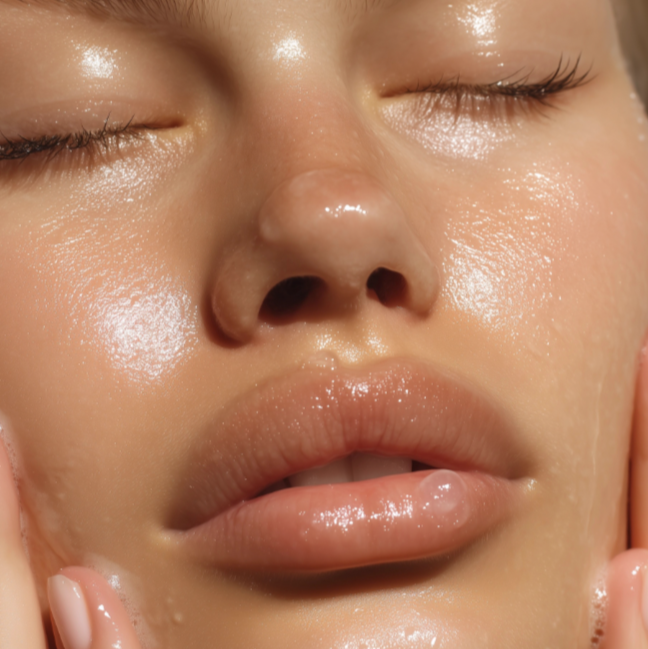
There was a time when luxury skincare meant heavy fragrance, a long list of unpronounceable ingredients and the assumption that anything expensive must be good for you. That era is ending. Today's most discerning clients ask different questions: Where do these ingredients come from? What is in this, and what has been left out? Will my skin still thank me in twenty years?
Those are the right questions. Skincare is something you apply to the largest organ of your body, every morning and every night, for decades. What you choose matters, not only for how your skin looks tomorrow, but for how healthy and resilient it remains over a lifetime.
The short answer
Organic, plant-based skincare matters because it lets you care for your skin with fewer common irritants, gentler barrier-friendly botanicals and greater transparency, while supporting farming practices that avoid most synthetic pesticides. The best formulas pair organic botanicals such as aloe, seaweed and plant antioxidants with proven science-backed actives such as peptides and niacinamide. That said, "natural" does not automatically mean safe, and in the US "organic" is only verified when a product is certified under the USDA National Organic Program or a recognized private standard. Choose fragrance-free formulas, read the full ingredient list, look for a named certifier, and patch-test new products.
Chapter oneWhat "organic," "plant-based" and "clean" really mean
Beauty labels use many words that sound similar but mean very different things. Here is the honest guide.
| Term | Legally defined for cosmetics in the US? | What it actually means |
|---|---|---|
| Certified organic | Yes, through the USDA National Organic Program or private certifiers | Agricultural ingredients grown and handled to organic standards, verified by a named certifier |
| Made with organic ingredients | Yes, when certified | A certified percentage of the ingredients are organic |
| Plant-based | No | Ingredients are mainly derived from plants |
| Vegan | No (private certifications exist) | Contains no animal-derived ingredients |
| Cruelty-free | No (private certifications exist) | Not tested on animals |
| Natural, clean, non-toxic | No | Marketing terms with no official definition |
The US Food and Drug Administration regulates cosmetic safety and labeling but does not define "organic." That term is governed by the USDA's National Organic Program, and the FDA also notes that choosing natural or organic ingredients is no guarantee of safety on its own. Formulation, testing and quality still matter.
Chapter twoWhy organic, plant-based skincare matters for skin health
1. Fewer common irritants
Fragrance is one of the most common causes of allergic reactions to cosmetics. Many plant-focused brands, including ours, offer fragrance-free formulas, which makes daily skincare kinder to sensitive and reactive skin over the long term.
2. Barrier-friendly botanicals
Ingredients such as aloe vera, oat, seaweed extracts and plant oils are rich in sugars, minerals and fatty acids that help skin hold on to moisture and feel comfortable. A healthy, hydrated barrier is the foundation of skin that looks youthful.
3. Plant antioxidants
Plants protect themselves from sun and stress with antioxidants. Resveratrol from grapes, rosemary extract and licorice root bring that same defense to your skin, helping counter the free radicals generated by UV and pollution.
4. Transparency
Brands that prioritize plant-based ingredients tend to publish full ingredient lists and explain their choices, so you know exactly what you are applying.
5. A gentler routine over decades
Skin health is cumulative. A routine that avoids unnecessary irritants, supports the barrier and includes antioxidants is one your skin can tolerate every day for years, and consistency is what produces visible results.
“The most beautiful skin isn't built in a week. It's built by what you choose to put on it every day for twenty years.”
From our founder's treatment room notes
Chapter threeBeyond your skin: the bigger picture
Health doesn't stop at your face. Certified organic farming standards prohibit most synthetic pesticides and fertilizers, which supports healthier soil, cleaner waterways and safer conditions for the people who grow our ingredients. Vegan and cruelty-free formulas mean no animals are harmed in creating your routine. For many clients, that peace of mind is as much a part of luxury as the texture of a serum.
Chapter fourFour myths, corrected
Myth: "Your skin absorbs 60% of everything you put on it." This statistic circulates widely but is not supported by science. Skin is a remarkably effective barrier. How much of an ingredient penetrates depends on its size, structure and formula, and for most ingredients it's a small fraction.
Myth: "Natural means safe." Poison ivy is natural. Many essential oils are among the most common skin allergens. Plant-based ingredients still need careful selection, sensible concentrations and proper formulation.
Myth: "Anything made in a lab is bad." Some of the most effective and gentle skincare ingredients, including peptides, niacinamide and hyaluronic acid, are produced through biotechnology. Lab-made doesn't mean harsh; it often means pure, consistent and well studied.
Myth: "If it says organic, it's certified." Not necessarily. Look for a named certifier or a USDA Organic seal. Without one, "organic" is a description, not a verified standard.
Our philosophy: nature, edited by science
At I'M FABULOUS, we don't choose between nature and science. We combine the most effective botanicals with biomimetic actives, formulated by a Master Esthetician and made fresh in small batches in the USA.
- Botanicals for comfort
- Aloe, cucumber, seaweed and plant-derived hyaluronic acid for hydration and calm.
- Plant antioxidants for defense
- Resveratrol, rosemary, licorice and periwinkle.
- Science for results
- Peptides such as GHK-Cu, SNAP-8 and Syn-Ake, plus NAD+ and niacinamide.
- What we leave out
- Added fragrance in our key serums, parabens, and animal testing.
Chapter fiveHow to read a skincare label like an esthetician
-
Look for the certifier. A genuine organic claim names a certifying body or shows a recognized seal.
-
Read the first five ingredients. Ingredients are listed by concentration, so the top of the list tells you what the product mostly is.
-
Find "fragrance" or "parfum." If your skin is sensitive, choose formulas without it.
-
Check for the actives you're paying for. A peptide serum should list its peptides by name.
-
Confirm cruelty-free and vegan status if they matter to you, ideally with a certification.
-
Patch-test. Even the gentlest botanical formula can disagree with an individual. Test on the jawline for 24 hours.
Chapter sixA plant-powered routine
In the morning, start with the NAD+ PDRN Resveratrol Collagen Serum, made with aloe, seaweed extract and rosemary alongside NAD+ and niacinamide. Tap on the Super Peptide Eye Serum, with cucumber, aloe, licorice root and periwinkle. Then SPF. In the evening, apply GHK-Cu Copper Peptide Serum and seal with Peptide Collagen Repair Cream.
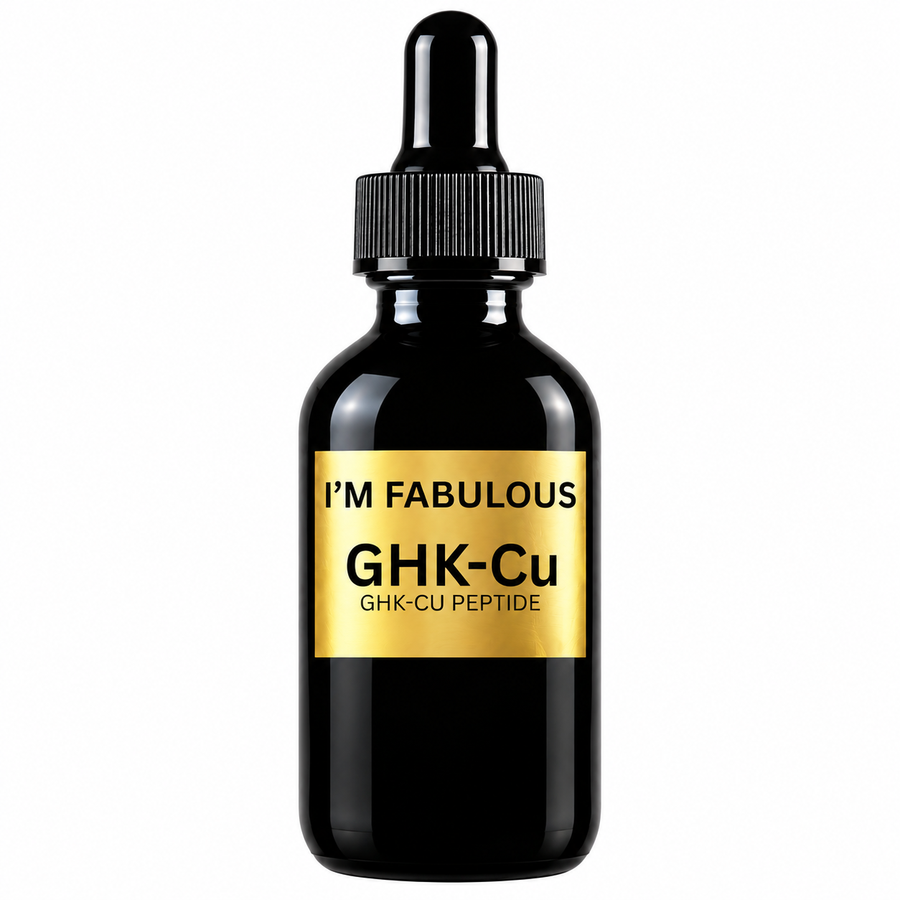

Curious about our newest actives? Read What Is PDRN in Skincare? and PDRN vs. GHK-Cu, or explore our guide to skin longevity.
The questions we're asked mostOrganic skincare, answered
Is organic skincare better for your skin?
Organic skincare can be gentler, because many organic and plant-based formulas avoid common irritants such as added fragrance and use barrier-friendly botanicals. But "organic" alone doesn't guarantee better results; formulation quality and proven actives matter just as much.
Why is organic, plant-based skincare important?
It supports long-term skin health with fewer common irritants and more barrier-supporting botanicals and plant antioxidants, offers greater ingredient transparency, and supports farming practices that avoid most synthetic pesticides.
Does your skin absorb 60% of what you put on it?
No. That figure is a myth. Skin is an effective barrier, and how much of an ingredient penetrates depends on its size, structure and formula. For most ingredients it is a small fraction.
Is natural skincare always safe?
No. Natural ingredients can still cause irritation or allergies; some essential oils are common allergens. Safety depends on the ingredient, its concentration and the overall formula.
How do I know if a skincare product is really organic?
Look for a USDA Organic seal or the name of a certifying body on the label or website. In the US, "organic" claims on cosmetics are verified through the USDA National Organic Program or recognized private standards.
Can organic skincare be as effective as conventional skincare?
Yes, when it combines proven actives with high-quality botanicals. The most effective modern formulas pair organic plant ingredients with science-backed actives such as peptides, niacinamide and hyaluronic acid.
What ingredients should sensitive skin avoid?
Added fragrance is the most common trigger. Some essential oils, drying alcohols high on the ingredient list, and harsh exfoliants can also irritate sensitive skin. Patch-test any new product.
What is the difference between vegan and organic skincare?
Vegan means a product contains no animal-derived ingredients. Organic refers to how agricultural ingredients are grown and handled. A product can be one without being the other.
SourcesFurther reading
US Food and Drug Administration. "Organic" Cosmetics.
US Food and Drug Administration. Small Businesses & Homemade Cosmetics: Fact Sheet.
US Department of Agriculture, National Organic Program. Cosmetics, Body Care Products, and Personal Care Products (fact sheet).
The best of nature. The best of science.
Plant-powered, cruelty-free luxury skincare, formulated by a Master Esthetician and made fresh in small batches in the USA. Three complimentary samples in every order.
Shop the Super Peptide Eye SerumThis article is for educational purposes and is not medical advice. Cosmetic products are not intended to diagnose, treat, cure or prevent any disease. Individual results vary. Read our medical disclaimer.